Finding the Right Water Treatment System for a Healthier and More Comfortable Home
Home Services / Bloghivey feature visual
Water Quality Isn’t Something Most People Think About—Until They Have To
For most of us, water is just part of the background. We turn on the faucet, fill a glass, start the dishwasher, take a shower, and move on with the day. It’s one of those everyday essentials that rarely gets much attention when everything is working properly.
But when water starts causing problems, it suddenly becomes impossible to ignore.
Maybe your sinks develop stubborn stains. Perhaps your laundry feels rough after washing. Sometimes it’s a strange taste, an unusual smell, or the simple realization that your water doesn’t seem quite as fresh as it should.
These moments often send homeowners down a rabbit hole of research. The good news? Modern water treatment technology has come a long way. The challenge is understanding which solution actually fits your situation.
The truth is, there isn’t one perfect treatment system for every home. Water quality issues vary, and the best results usually come from matching the right solution to the specific problem.
Why Water Conditions Differ From One Home to Another
It’s easy to assume that water should be the same everywhere, but that’s rarely the case.
Water travels through different geological formations, interacts with various minerals, and passes through unique plumbing systems before reaching your faucet. A family living just a few miles away may experience completely different water conditions.
Some homes struggle with hard water. Others deal with iron contamination, unpleasant odors, sediment, or bacterial concerns. In many cases, several issues occur at the same time.
That’s why professional testing is often the smartest place to start. Before investing in treatment equipment, it helps to know exactly what you’re dealing with.
Otherwise, you’re basically trying to solve a puzzle without seeing all the pieces.
Hard Water: The Most Common Complaint
One of the most widespread water issues in residential homes is hard water.
Hard water contains elevated levels of dissolved minerals, primarily calcium and magnesium. These minerals aren’t necessarily harmful, but they can create plenty of inconvenience.
Cloudy glassware, mineral deposits on fixtures, soap residue, and reduced appliance efficiency are just a few of the common complaints. Over time, hard water can also contribute to buildup inside plumbing systems and water-using appliances.
Many homeowners don’t realize how much these minerals affect daily life until they address the problem and experience the difference firsthand.
Why Water Softeners Remain Popular
When hard water becomes a persistent issue, water softeners are often one of the first solutions homeowners consider.
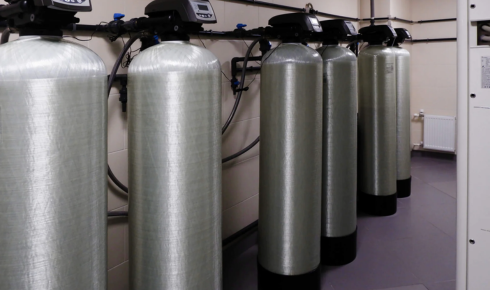
These systems are specifically designed to reduce hardness-causing minerals before they circulate through the home. As a result, many people notice improvements in cleaning performance, appliance efficiency, and overall water feel.
Dishes often come out cleaner. Soap tends to lather more effectively. Mineral deposits become less noticeable.
It’s not uncommon for homeowners to wonder why they waited so long once they see the results.
Of course, a softener isn’t the answer to every water quality concern, but for hard water issues, it can make a significant difference.
When Iron Becomes a Problem
Iron is another common challenge, particularly in homes that rely on private wells.
At low levels, iron may go unnoticed. At higher concentrations, however, it can leave reddish-brown stains on sinks, toilets, bathtubs, and laundry. Water may also develop a metallic taste that many people find unpleasant.
What’s frustrating is that standard cleaning often removes only part of the stain before it reappears.
Homeowners sometimes spend years treating symptoms without addressing the source.
That’s where specialized treatment becomes important.
Understanding Iron Filtration
For households dealing with excess iron, iron filters can be highly effective.
These systems are designed to remove dissolved iron before it reaches faucets, appliances, and fixtures throughout the home. Depending on the type of iron present, different filtration technologies may be used.
One of the biggest benefits is that treatment addresses the root cause rather than simply cleaning stains after they appear.
Over time, that can mean less scrubbing, fewer maintenance headaches, and better overall water quality.
It’s a practical solution to a surprisingly common problem.
Bacteria and Microorganisms: The Invisible Concern
Not all water issues are visible.
Some of the most important water quality concerns involve microorganisms that can’t be seen with the naked eye. While many bacteria are harmless, certain contaminants may require treatment to ensure water remains safe for household use.
This is especially important for private well owners, who are responsible for monitoring their own water quality.
Regular testing helps identify potential concerns before they become larger issues.
The challenge, of course, is that invisible problems don’t always provide obvious warning signs.
Rather than relying on chemical additives, UV systems use light to help neutralize microorganisms as water passes through the treatment chamber.
Many homeowners appreciate the simplicity of this approach. It doesn’t alter the taste of water and can provide an additional layer of protection when used appropriately.
Like any treatment technology, UV systems work best when paired with proper maintenance and regular monitoring, but they have become a trusted option for many households seeking microbial control.
Why One Solution Rarely Solves Everything
One common misconception is that a single treatment device can address every possible water quality issue.
In reality, water problems often require multiple layers of treatment.
A home dealing with hardness, iron, and microbial concerns may need a combination of systems working together. Another property may require only basic filtration.
That’s why personalized recommendations matter.
What works perfectly for one household could be unnecessary—or ineffective—for another. Water treatment isn’t about finding the most expensive system. It’s about finding the right one.
Thinking Long-Term Instead of Short-Term
It’s tempting to focus only on immediate symptoms. After all, stains, odors, and appliance issues are what homeowners notice first.
But effective water treatment is really about long-term performance.
Protecting plumbing systems, extending appliance lifespan, reducing maintenance needs, and improving everyday comfort all contribute to the value of a well-designed treatment strategy.
The benefits often accumulate quietly over time.
A little less cleaning here. Better appliance performance there. Fewer frustrations overall.
Sometimes those small improvements add up to a noticeable difference in daily life.
Final Thoughts
Water treatment doesn’t have to be complicated, but it does need to be thoughtful. Every home’s water supply has its own characteristics, challenges, and opportunities for improvement.
Whether you’re dealing with hard water, iron contamination, bacterial concerns, or a combination of issues, the first step is understanding what’s actually in your water. From there, choosing the right treatment becomes far more straightforward.
At the end of the day, good water should feel effortless. It should support your home quietly and reliably in the background. And when you find the right treatment solution, that’s exactly what it tends to do.