Water is one of those resources businesses often take for granted. It flows through kitchens, restrooms, production areas, cooling systems, and countless daily operations without much thought. But when water quality problems appear, the impact can be immediate. Equipment may perform poorly, maintenance costs can rise, and customers or employees may notice the difference.
For commercial properties, water is not just something that comes from a tap. It is part of the overall operation. Restaurants, hotels, offices, healthcare facilities, manufacturing units, and retail spaces all depend on reliable water every day. Taking control of water quality is a smart investment that protects both the business and the people who rely on it.
The Real Impact of Poor Water Quality in Commercial Spaces
Water quality issues in a business environment can create problems that go beyond taste or appearance. Hard water, mineral buildup, unpleasant odors, and contaminants can affect everything from plumbing systems to expensive equipment.
Related readingCleaner Water Starts With the Right Filtration Approach
For example, a restaurant dealing with hard water may notice spots on glassware, reduced efficiency in dishwashers, and increased cleaning requirements. A hotel might struggle with customer complaints about water feel or stains in bathrooms. Even office buildings can experience problems when fixtures and appliances are exposed to poor-quality water for long periods.
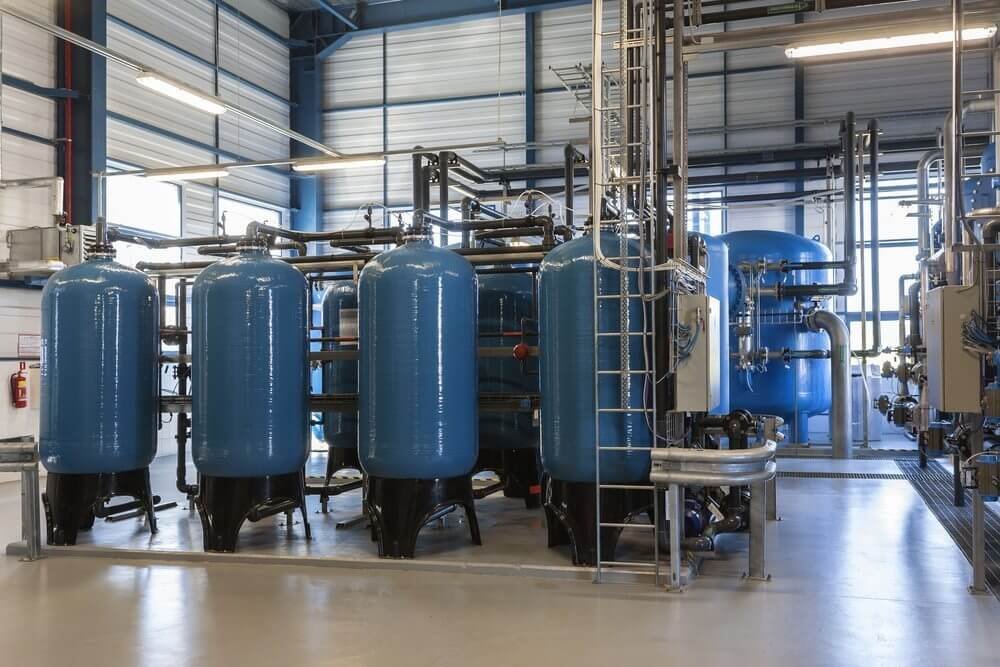
This is why many businesses are investing in commercial water treatment solutions designed specifically for larger-scale needs. These systems help address water challenges based on the property’s usage, industry requirements, and specific water conditions.
Understanding How Commercial Water Treatment Works
Unlike residential systems that usually serve a smaller household, commercial water systems must handle higher demand and continuous usage. They are designed to provide consistent performance even during busy operating hours.
The first step is usually water testing. Every location has different conditions, and a solution that works well for one business may not be suitable for another. Testing helps identify issues such as excessive minerals, chlorine levels, sediment, bacteria, or other unwanted elements.
Related readingHow UV Disinfection Light Can Help Protect Your Home’s Water
Once the water profile is understood, professionals can recommend suitable filtration, purification, or conditioning methods. Some businesses may need advanced filtration, while others may benefit from specialized equipment that targets hardness or specific contaminants.
Choosing the Right System for Long-Term Business Needs
A common mistake businesses make is choosing equipment based only on price. While upfront cost matters, the long-term performance and maintenance requirements are equally important.
Reliable commercial water treatment solutions are built around the unique demands of each facility. A small café, a large hotel, and a manufacturing plant will all have different water consumption patterns and challenges.
A properly designed system can improve efficiency, reduce repairs, and help extend the lifespan of equipment. It can also support sustainability goals by reducing waste caused by frequent replacements, excessive cleaning, or inefficient operations.
Related readingGood Water Quietly Protects the Home You’ve Worked Hard For
The Role of Water Softeners in Commercial Applications
Hard water is one of the most common challenges businesses face. It contains high levels of minerals like calcium and magnesium, which can leave deposits inside pipes, heaters, and appliances.
Over time, mineral buildup can reduce equipment efficiency and increase energy consumption. In industries where water plays a major role, this can become a serious operational concern.
Commercial-grade water softeners help reduce these problems by controlling hardness levels and preventing scale buildup. They are commonly used in hotels, restaurants, laundries, and facilities where consistent water performance is important.
Softer water can also improve cleaning results. Soap and detergents often work more effectively, which may reduce the amount of cleaning products needed and create better overall results.
Related readingUnderstanding Your Water: Why pH, Alkalinity, and Calcium Hardness Matter
Protecting Equipment and Reducing Maintenance Costs
Business owners understand that unexpected repairs can disrupt operations. A damaged water heater, clogged plumbing system, or inefficient machine can lead to downtime and unnecessary expenses.
Water treatment systems act as a form of protection. By reducing minerals, sediment, and other issues before they cause damage, businesses can avoid many common maintenance headaches.
This preventive approach is especially valuable for industries that depend heavily on water. Instead of reacting to problems after they happen, companies can create a more reliable system from the beginning.
Related readingWhy Professional Water System Service Matters Long After Installation
Health, Safety, and Customer Confidence
Water quality also affects the people inside a commercial building. Employees expect clean facilities, and customers often associate cleanliness with professionalism.
Restaurants, hotels, healthcare facilities, and other customer-focused businesses need to maintain high standards. Poor water quality can impact everything from food preparation to guest experiences.
A well-maintained water treatment system supports a cleaner, healthier environment while showing customers that the business takes quality seriously.
Making Water Quality Part of Your Business Strategy
Water management may not always be the first thing business owners think about, but it plays a bigger role than many realize. The right system can improve efficiency, protect valuable equipment, and create a better experience for everyone using the facility.
Every commercial property has different needs, and the best approach starts with understanding the water itself. Through proper testing, professional guidance, and regular maintenance, businesses can build a water system that supports their goals for years to come.
Investing in better water quality is not just about solving today’s problems. It is about creating a smarter, more efficient, and more dependable future for the business.