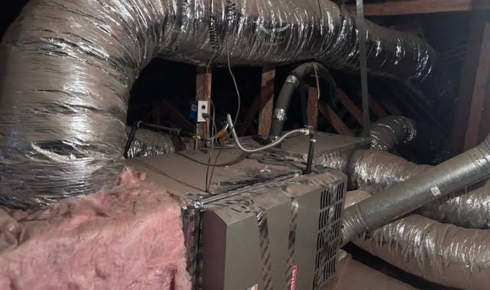
Most people blame the air conditioner when a room feels too warm or the heating never quite reaches the far corner of the house. And sure, sometimes the unit is the problem. But just as often, the real trouble is hiding in the ductwork — those unseen metal or flexible pathways carrying air from the HVAC system into every room.
Ducts do not get much attention because they are not exactly exciting. They sit behind walls, in attics, crawl spaces, or ceilings, quietly doing their job. But when something goes wrong with them, the entire building feels it. One room gets too cold, another stays stuffy, the system runs too long, and the energy bill starts creeping upward. It is annoying, and honestly, a little easy to overlook.
Why duct problems are so common
Ductwork deals with a lot over the years. Temperature changes, vibration, dust, moisture, pests, poor installation, and simple ageing can all affect performance. Seals loosen. Sections sag. Connections come apart. Sometimes the ducts were never designed properly in the first place.
Related readingA Well-Planned Plumbing System Makes Every Space Work Better
Professional duct repair helps solve issues like leaks, damaged sections, loose joints, crushed flexible ducts, and poor connections. Even a small leak can waste conditioned air before it reaches the room, which means your HVAC system works harder for less comfort.
The tricky part is that duct problems are not always obvious. You may not see a broken duct, but you might notice weak airflow, uneven temperatures, dusty rooms, or a system that seems to run all the time. Those are the clues worth paying attention to.
The comfort problem nobody sees
Uneven comfort is one of the biggest signs of duct trouble. Maybe the bedroom upstairs feels warm no matter how low the thermostat is set. Maybe the living room gets plenty of air, but the hallway barely gets any. People often adjust vents or keep lowering the temperature, hoping it will balance out.
That usually does not fix the real issue. If air is leaking into the attic, blocked by debris, or restricted by poor duct layout, changing the thermostat only makes the system run longer. It may cool one space better, but another room still suffers.
Related readingWhy Professional Water System Service Matters Long After Installation
A proper inspection can reveal whether the problem is caused by duct damage, poor sizing, bad insulation, or an HVAC issue. Guessing rarely saves money here. A careful check does.
When new ducts make more sense
There are times when repairs are enough. A loose joint can be sealed. A damaged section can be replaced. A small airflow issue can often be corrected. But older or poorly designed systems may need more than a patch.
Professional duct installation is important when building a new property, replacing an old system, adding rooms, finishing a basement, or upgrading HVAC equipment. The ducts must be sized and placed correctly, otherwise even the best heating or cooling unit will struggle.
Good installation is not just about connecting pieces together. It involves planning airflow, reducing bends and restrictions, sealing joints, insulating where needed, and making sure each room receives the right amount of conditioned air. When this is done properly, the difference is noticeable.
Related readingWhy Better Water Management Matters for Every Growing Business
Energy bills can tell a story
A duct system that leaks or restricts air can waste a surprising amount of energy. The HVAC unit keeps running because the thermostat says the space has not reached the right temperature yet. Meanwhile, some of that cooled or heated air may be escaping into areas nobody uses.
Improving airflow efficiency can help reduce strain on the system and make rooms feel more balanced. It can also help extend equipment life, because the unit does not have to work as hard to do the same job.
This is especially important in larger homes and commercial spaces, where long duct runs and multiple rooms make airflow more complicated. A small issue in one section can affect comfort across the whole building.
Signs your ductwork needs attention
Some warning signs are fairly easy to spot. Weak airflow from vents, rooms that never feel comfortable, visible dust around registers, rattling noises, musty smells, and unusually high utility bills can all point to duct problems.
Related readingThe Small Water Problems That Make a Home Feel Harder to Clean
You may also notice that the system starts and stops often, or runs much longer than it used to. In some cases, poor ductwork can even make indoor air feel stale, because air is not circulating as it should.
After renovation work, duct inspection is a smart idea too. Construction dust, disconnected vents, or changes in room layout can affect airflow. Many people update flooring, walls, or ceilings and forget the HVAC pathways behind them.
Good ductwork supports good HVAC performance
Your heating and cooling equipment can only perform as well as the duct system allows. A powerful AC unit connected to leaky, poorly sized ducts will still disappoint. On the other hand, well-designed ducts can help a standard system feel more effective and consistent.
Related readingCleaner Water at Home: Choosing the Right Filtration and Softening Solution
That is why choosing an experienced technician matters. The right person will not just look at the vent and make a quick guess. They will check pressure, airflow, duct condition, sealing, insulation, and layout. They will explain what is wrong in plain language and suggest practical options.
In the end, ductwork is not just hidden metal or flexible tubing. It is the delivery system for comfort. When it is clean, sealed, properly installed, and moving air the way it should, the whole property feels better. And once every room finally feels right, you realise the ducts were never a small detail after all.