There’s a moment, if you’ve ever watched a designer work, where everything feels almost instinctive. A line here, a texture there—something intangible guiding the process. Fashion, for the longest time, has been deeply human. Messy, emotional, sometimes unpredictable.
And yet, here we are. Algorithms are now sketching silhouettes, generating prints, even predicting what we might want to wear next season. It doesn’t feel like a sudden disruption. More like a quiet shift that’s slowly becoming impossible to ignore.
From Mood Boards to Machine Learning
Traditionally, design begins with inspiration—travel, art, street culture, even random conversations. Designers build mood boards, experiment with fabrics, refine ideas over time. It’s not linear, and that’s part of its charm.
Related readingDressing Up for Screens: Is Digital Fashion Finding Its Own Path Beyond the Metaverse?
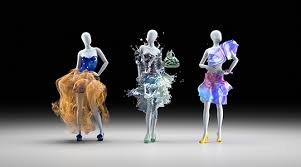
AI, on the other hand, approaches things differently. It feeds on data. Thousands of past designs, current trends, consumer behavior patterns—it processes all of this and starts generating outputs. Patterns, color palettes, garment structures. Sometimes surprisingly good ones.
At first glance, it might seem like AI is just another tool in the designer’s kit. But spend a little more time with it, and you realize it’s doing more than assisting. It’s influencing.
Speed Changes Everything
One of the biggest shifts AI brings is speed. What used to take weeks—brainstorming, sketching, revising—can now happen in hours. Brands can test multiple design directions almost instantly, tweaking and refining based on feedback or predicted demand.
Related readingWearing More by Owning Less: The Real Story Behind India’s Rental Fashion Boom
This has obvious advantages. Faster turnaround means quicker response to trends. In an industry where timing is everything, that’s huge.
But speed also raises a subtle question: when everything happens faster, do we lose something in the process? That slow, thoughtful evolution of an idea—does it still have space?
Creativity vs Calculation
Here’s where things get interesting.
AI doesn’t “create” in the way humans do. It recombines, reinterprets, and generates based on what it has learned. The results can feel innovative, but they’re rooted in existing data.
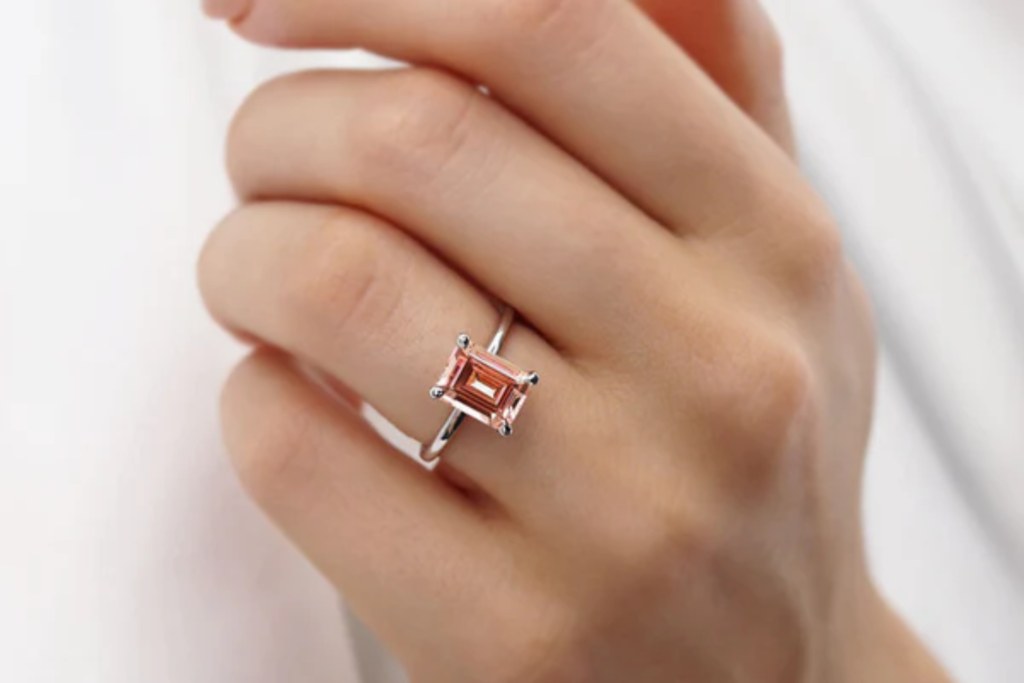
Related readingModern Engagement Trends: Lily Arkwright Pink Sapphire Rings
Human designers, on the other hand, often break patterns. They take risks, follow instincts, sometimes even go against trends entirely.
This tension—between creativity and calculation—is shaping the conversation around AI-generated clothing designs fashion industry ko kaise disrupt kar rahe hain? It’s not just about efficiency. It’s about what fashion means when machines become part of the creative process.
Democratizing Design (or Flooding the Market?)
One undeniable impact of AI is accessibility.
Related readingWhy Lily Arkwright Necklaces Are Must‑Have Accessories in 2026
You no longer need years of training to experiment with design. With the right tools, anyone can generate clothing concepts, visualize collections, even prototype ideas. That’s exciting. It opens doors for new voices, fresh perspectives.
But there’s a flip side.
When creation becomes easier, volume increases. The market could get saturated with designs—many of them similar, many driven by the same datasets. Standing out becomes harder, not easier.
It’s a bit like social media. When everyone has a platform, the challenge shifts from creation to differentiation.
Related readingDistinctive Beauty: The Lily Arkwright Pear Lab Diamond Collection
Sustainability: A Surprising Advantage
Fashion has long struggled with sustainability. Overproduction, wasted materials, unsold inventory—it’s a complex problem.
AI offers some interesting possibilities here.
By analyzing demand patterns, brands can produce more accurately, reducing excess. Virtual sampling can minimize physical waste during the design phase. Even fabric choices can be optimized based on environmental impact.
It’s not a complete solution, but it’s a step in a direction the industry desperately needs.
The Human Touch Still Matters
Despite all the advancements, there’s something AI can’t replicate—at least not yet.
Emotion.
A designer’s personal story, cultural background, lived experiences—these shape their work in ways that data alone can’t capture. A collection isn’t just a set of garments; it’s a narrative, a point of view.
Consumers, whether consciously or not, respond to that. They connect with authenticity, with stories that feel real.
AI can mimic styles, but it doesn’t feel anything. And in an industry built on expression, that distinction still carries weight.
A Collaboration, Not a Replacement
The most realistic future doesn’t look like AI replacing designers. It looks like collaboration.
Designers using AI to explore ideas faster, test boundaries, and refine concepts. AI handling repetitive tasks, freeing up time for deeper creative thinking. A partnership, rather than a takeover.
Some of the most interesting work today is happening at this intersection—where human intuition meets machine efficiency.
So, Is Fashion Being Disrupted?
Yes, but not in the way people often imagine.
It’s not a dramatic overhaul where machines suddenly take over. It’s a gradual reshaping of processes, roles, and expectations. Designers are adapting, brands are experimenting, and consumers are slowly becoming part of this new ecosystem.
Final Thoughts
Fashion has always evolved. From hand-stitched garments to mass production, from runway exclusivity to fast fashion—it’s an industry that reinvents itself constantly.
AI is just the latest chapter.
It brings speed, accessibility, and new possibilities. But it also challenges us to rethink creativity, originality, and the value of human touch.
And maybe that’s the real disruption—not the technology itself, but the questions it forces us to ask.
Because at the end of the day, what we wear isn’t just about design. It’s about identity. And that, for now, still feels very human.