There’s a moment every business hits—usually after the initial excitement fades—where growth starts to feel… expensive. Ads cost more, returns feel less predictable, and suddenly, what worked six months ago doesn’t quite deliver the same results.
It’s not that performance marketing has stopped working. It’s just that it’s no longer the only game in town.
Somewhere along the way, brands began rediscovering something quieter, slower, but oddly powerful—community-led growth. And now, the conversation isn’t about choosing one over the other, but understanding what each really brings to the table.
Related readingWhen Ads Start Feeling Too Perfect: The Quiet Struggle for Authenticity in AI-Generated Marketing
What Performance Marketing Gets Right
Let’s start with the obvious.
Performance marketing is fast. You can launch a campaign today and start seeing results almost immediately. Clicks, conversions, cost per acquisition—everything is measurable, trackable, optimizable.
For startups or businesses looking to scale quickly, it’s often the go-to strategy. You put in money, you get visibility. Simple math.
But here’s the catch—it works as long as you keep feeding it.
The moment you slow down spending, the results tend to drop. It’s like turning off a tap. Which is fine, until it isn’t.
Related readingWhy the Quality of Vinyl Materials Makes a Bigger Difference Than Most People Expect
The Quiet Strength of Community-Led Growth
Community-led growth doesn’t announce itself the same way.
It’s slower. Messier. Harder to measure in the short term. But it builds something performance marketing often struggles with—trust.
When people genuinely connect with your brand, they don’t just buy once. They stay. They talk about you. They bring others along, not because they’re incentivized, but because they want to.
Related readingWhen No One Clicks: Rethinking SEO in the Age of Instant Answers
Think of brands with loyal user bases—those small but vocal communities that show up in comments, forums, even offline meetups. That kind of engagement isn’t bought. It’s built over time.
And once it’s there, it has a momentum of its own.
Community-led growth vs performance marketing – kaunsa zyada sustainable hai?
This is where things get interesting.
If you’re looking at short-term results, performance marketing usually wins. It’s predictable, scalable, and relatively easy to control. You know what you’re spending and what you’re getting back—at least on the surface.
Related readingThe first brand to get an Apple Music outfit line
But sustainability? That’s a different conversation.
Community-led growth tends to have a longer shelf life. It doesn’t rely on continuous spending in the same way. Instead, it compounds. Relationships deepen, brand loyalty strengthens, and over time, customer acquisition can become more organic.
That said, it’s not an either-or situation. The most resilient brands often use both—performance marketing to kickstart growth, and community to sustain it.
The Cost Equation Isn’t What It Seems
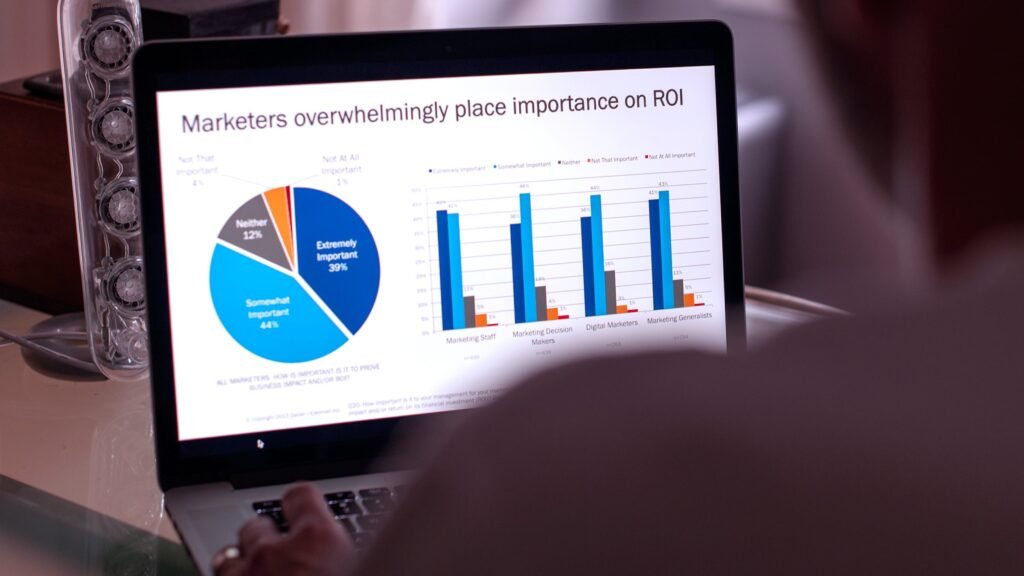
At first glance, performance marketing feels more straightforward financially. You allocate a budget, run campaigns, and track ROI.
Related readingBest chance to increase your followers
Community-building, on the other hand, doesn’t always show immediate returns. It requires time, effort, and consistency. You’re investing in conversations, not just conversions.
But over time, the cost dynamics shift.
Acquiring a new customer through ads can become increasingly expensive, especially in competitive markets. Retaining an existing customer, or getting a referral through a strong community, is often far more cost-effective.
It’s not about cheaper vs expensive—it’s about where the value accumulates.
Control vs Authenticity
Performance marketing gives you control. You decide the messaging, the targeting, the timing. Everything is structured.
Community-led growth? Not so much.
Once a community starts forming, it develops its own voice. People share feedback—sometimes positive, sometimes critical. Conversations can go in unexpected directions.
And that lack of control can feel uncomfortable for brands used to tightly managed narratives.
But it’s also what makes communities authentic. People trust other people more than they trust ads. Always have.
The Role of Content in Both Worlds
Content sits at the intersection of these two approaches.
In performance marketing, content is often optimized for conversion—clear CTAs, targeted messaging, quick impact. It’s designed to move people down the funnel efficiently.
In community-led growth, content feels different. It’s less about selling and more about connecting. Stories, insights, even casual updates—they all contribute to building a relationship.
Interestingly, the lines are starting to blur. Brands are experimenting with content that performs well in ads while still feeling human enough to resonate within communities.
It’s not easy, but when it works, it works beautifully.
So, What Should Businesses Focus On?
It depends on where you are.
If you’re just starting out, performance marketing can help you gain visibility quickly. You need that initial traction. There’s no point having a great product if no one knows it exists.
But as you grow, relying solely on ads can become risky. That’s where community starts to matter more. It creates a foundation—something that doesn’t disappear the moment your ad budget changes.
The real challenge is knowing when to shift focus, and how to balance both without stretching your resources too thin.
Final Thoughts
Growth today isn’t as linear as it used to be.
It’s layered. Sometimes contradictory. You might see spikes from ad campaigns and steady, quieter gains from community efforts at the same time.
And maybe that’s the point.
Performance marketing brings speed. Community-led growth brings depth. One gets people through the door, the other gives them a reason to stay.
In the end, sustainable growth probably isn’t about choosing one over the other. It’s about understanding how they work together—and being patient enough to let both play their part.