Hard water has a quiet way of making itself known. It doesn’t usually arrive with a big warning sign. It shows up as cloudy glasses, stiff laundry, soap that refuses to lather properly, and that chalky buildup around faucets that keeps coming back no matter how often you clean it. For many homeowners, it becomes one of those small household frustrations they simply learn to live with.
But water softening has changed quite a bit. The old image of a bulky system sitting in the garage, needing constant checking and guesswork, is no longer the whole story. Today’s water softeners are becoming more thoughtful, more efficient, and much easier to manage. In a way, they fit better with how people already run their homes now — from phones, apps, alerts, and simple reminders.
Why Hard Water Is More Than a Cleaning Problem
Hard water contains minerals like calcium and magnesium. These minerals are not always harmful to drink, but they can be rough on a home over time. They build up inside pipes, reduce water heater efficiency, shorten appliance life, and make everyday cleaning more irritating than it needs to be.
Related readingGood Water Quietly Protects the Home You’ve Worked Hard For
If you’ve ever scrubbed the same white marks off a shower door three times in one week, you know the feeling. It’s not dramatic, exactly, but it is annoying. And when scale forms inside appliances, the issue becomes more than cosmetic. Dishwashers, washing machines, coffee makers, and water heaters may all work harder than they should.
The Rise of Connected Water Care
One reason homeowners are paying attention to newer systems is convenience. People don’t want another household device that needs babysitting. They want equipment that quietly does its job and lets them know when something actually needs attention.
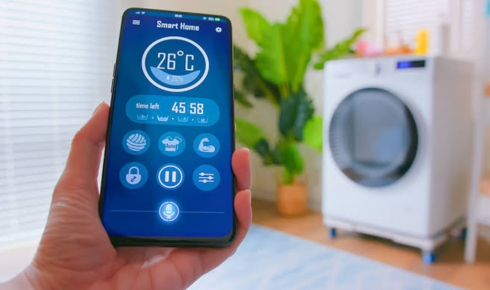
That’s where app control makes a real difference. Instead of walking out to the system and wondering whether salt levels are low or settings are correct, homeowners can check important details from their phone. Some systems may send alerts, track usage, or help schedule maintenance more easily. It’s a small thing, but small things are exactly what make home management smoother.
Less Guesswork, Better Efficiency
Traditional softeners can work well, but they are often set up in a fairly basic way. They regenerate on a schedule, sometimes whether the home needs it or not. That can waste salt, water, and energy. A more modern system can respond more intelligently to actual water usage.
Related readingCleaner Water at Home: Choosing the Right Filtration and Softening Solution
This is especially useful for families with changing routines. Maybe there are guests staying for a week. Maybe the kids are home during school break. Maybe the house is empty more often because of travel. Water use changes, and a smart system can adapt better than a fixed schedule.
What Makes Smart Softeners Different?
Today’s smart softeners are designed to do more than remove hardness minerals. They help homeowners understand how their water system is performing. Many can monitor water usage, adjust cycles based on demand, and provide reminders before small issues turn into bigger ones.
That extra visibility matters. Most people don’t think about their water softener until something feels wrong. The water starts spotting again, soap feels different, or salt unexpectedly runs out. Smart features help prevent that by keeping the homeowner informed in a simple, practical way.
A Better Fit for Modern Homes
Homes are filled with connected devices now. Thermostats learn patterns. Doorbells send video alerts. Appliances can notify owners when cycles finish. So it makes sense that water treatment is moving in the same direction.
Related readingThe Small Water Problems That Make a Home Feel Harder to Clean
Still, technology should never make things more confusing. The best systems use smart technology in a way that feels helpful, not overwhelming. A homeowner shouldn’t need to be a technician to understand what’s happening. Clear alerts, simple controls, and easy maintenance reminders are what make the technology worth having.
Professional Installation Still Matters
Even the most advanced softener needs to be installed properly. Placement, plumbing connections, drain access, and system sizing all affect performance. A softener that is too small may struggle to keep up. A system that is too large may cost more than needed. And poor installation can create unnecessary service problems later.
That’s why working with a knowledgeable water treatment provider is important. They can test the water, review household usage, recommend the right size system, and explain how everything works. Good installation also keeps the setup neat and service-friendly, which homeowners appreciate later.
The Everyday Benefits Add Up
Soft water doesn’t always feel like a huge change at first. Then one day you notice the shower glass is easier to clean. Towels feel a little better. Soap rinses off more easily. The dishwasher leaves fewer spots. These aren’t flashy improvements, but they make daily routines nicer.
Related readingWhy Professional Water System Service Matters Long After Installation
There’s also the long-term value. Reducing mineral buildup can help protect appliances and plumbing. Water heaters may operate more efficiently. Cleaning products may work better. Over time, those benefits can add up in ways that are both practical and financial.
A Simple Upgrade With a Smarter Touch
A modern water softener is not just about softer water anymore. It’s about control, efficiency, and peace of mind. Homeowners want solutions that work quietly, communicate clearly, and don’t create extra chores.
Hard water may be common, but living with its effects doesn’t have to be. With the right system, a home can feel cleaner, appliances can get better protection, and water care becomes far less of a guessing game. And honestly, that’s what good home technology should do — make life easier without demanding too much attention.
Related readingWhat Your Water Test Results Can Reveal About the Health of Your Home