The Story Hidden Inside Your Tap Water
Most homeowners don’t spend much time thinking about water until something feels wrong. Maybe the shower leaves your skin feeling dry. Maybe your coffee tastes a little off. Or perhaps you’ve noticed white residue building up around faucets and fixtures.
The funny thing about water is that it’s constantly working behind the scenes. It flows through pipes, powers appliances, fills washing machines, and supports nearly every daily routine. Yet despite its importance, many people know surprisingly little about what’s actually in their water.
A simple water test can reveal a lot more than most homeowners expect. Beyond basic safety concerns, testing can uncover factors that affect plumbing performance, appliance efficiency, cleaning results, and overall household comfort.
Related readingCleaner Water at Home: Choosing the Right Filtration and Softening Solution
Understanding those results isn’t about becoming a water expert overnight. It’s about making smarter decisions for your home and avoiding problems before they become expensive.
Why Water Quality Matters More Than You Think
Water isn’t identical everywhere. The water entering one neighborhood may differ significantly from the water supplied just a few miles away. Municipal treatment methods, local geology, aging infrastructure, and private well conditions all play a role.
What makes things complicated is that many water issues don’t announce themselves loudly. Instead, they appear gradually. You notice dishes aren’t as clear as they once were. Laundry feels rough. Fixtures require more frequent cleaning.
Related readingWhy Professional Water System Service Matters Long After Installation
Because these changes happen slowly, it’s easy to assume they’re normal.
In reality, your water may be sending signals that deserve attention.
Looking Beyond Appearance
One of the most common misconceptions about water quality is that clear water automatically means good water.
Unfortunately, that’s not always true.
Many substances that affect household water are invisible. Minerals, dissolved solids, chlorine, and various naturally occurring compounds can exist without changing the appearance of the water at all.
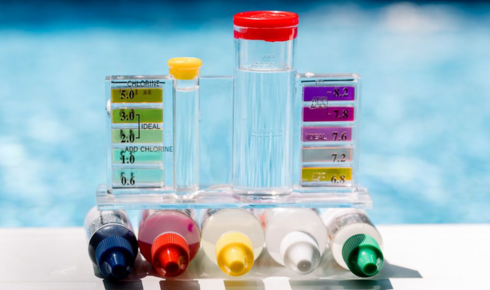
That’s why professional testing remains one of the most valuable tools available to homeowners. Instead of guessing, testing provides measurable information that helps identify the root causes behind common household frustrations.
Related readingGood Water Quietly Protects the Home You’ve Worked Hard For
It’s a bit like getting a health checkup. The goal isn’t necessarily to find something wrong—it’s to understand what’s happening beneath the surface.
Understanding Chlorine in Household Water
Municipal water systems commonly use chlorine as a disinfectant. It plays an important role in protecting public health by controlling bacteria and other microorganisms during water treatment and distribution.
However, elevated chlorine content can sometimes affect taste, odor, and overall user experience.
Many homeowners describe heavily chlorinated water as having a swimming pool-like smell or taste. While not always harmful at regulated levels, excess chlorine may influence drinking water preferences and can occasionally contribute to dry skin or hair concerns for sensitive individuals.
Related readingCleaner Water Starts With the Right Filtration Approach
Testing helps determine whether chlorine levels fall within expected ranges and whether additional filtration may be beneficial for specific household goals.
The Impact of Hard Water on Daily Life
One of the most frequently identified concerns during water testing involves mineral concentration.
When water contains elevated levels of calcium and magnesium, it is classified as hard water. Measuring hardness levels provides valuable insight into how those minerals may be affecting a home.
Hard water often leaves behind spots on dishes, soap residue on surfaces, and scale deposits inside plumbing systems. Over time, those minerals can accumulate in water heaters, dishwashers, washing machines, and pipes.
Related readingUnderstanding Water Chemistry and Protecting Your Home’s Plumbing
Many homeowners are surprised to learn that water hardness affects more than just cleaning. It can influence energy efficiency, maintenance requirements, and the lifespan of expensive household equipment.
Understanding hardness levels allows homeowners to determine whether treatment options such as water softening systems may offer long-term benefits.
Iron: The Hidden Culprit Behind Stains
Another issue that frequently appears in water reports is iron.
Iron can enter water supplies naturally through soil and rock formations, particularly in well water systems. While small amounts may not create significant concerns, elevated concentrations can lead to noticeable household problems.
Orange or reddish stains around sinks, tubs, and toilets are often associated with iron-rich water. Some homeowners also notice metallic tastes or discoloration in laundry.
This is where iron testing becomes especially valuable. Identifying iron concentrations helps determine whether specialized treatment solutions are needed to address staining, taste issues, or plumbing concerns.
Without testing, homeowners often spend years fighting recurring stains without ever addressing the actual source of the problem.
Water Quality and Appliance Performance
One area that doesn’t always receive enough attention is the relationship between water quality and appliance performance.
Water heaters, dishwashers, refrigerators, coffee makers, and washing machines all depend on water to operate efficiently. When water contains excessive minerals or contaminants, those appliances may experience increased wear and reduced performance.
Scale buildup on heating elements can increase energy consumption. Mineral deposits can restrict water flow and interfere with normal operation.
Over time, these effects add up.
A water test doesn’t just evaluate drinking water. It helps homeowners understand factors that may be affecting the entire household infrastructure.
The Value of Proactive Testing
Many people wait until a problem becomes obvious before investigating water quality. By that point, appliance damage, plumbing issues, or recurring maintenance expenses may already be occurring.
Proactive testing offers a different approach.
Rather than reacting to symptoms, homeowners gain information that helps them make informed decisions before problems escalate. Even when results reveal no significant concerns, the peace of mind can be worthwhile.
I’ve spoken with homeowners who expected major issues and discovered their water was in excellent condition. Others assumed everything was fine and learned they had significant hardness or iron concerns that had been quietly affecting their homes for years.
Knowledge changes everything.
Choosing the Right Treatment Solution
Not every home needs the same water treatment system.
That’s why test results are so important. A filtration solution designed for chlorine reduction may not address hardness. A water softener may not solve iron-related staining issues. Different problems require different approaches.
Testing provides the roadmap.
Instead of relying on marketing claims or generic recommendations, homeowners can select treatment options based on actual water conditions. That often leads to better results, lower costs, and greater long-term satisfaction.
A Better Understanding Leads to Better Decisions
Water is one of those household essentials that often goes unnoticed until problems appear. Yet it influences nearly every aspect of daily life—from cooking and cleaning to bathing and appliance performance.
A comprehensive water test offers something incredibly valuable: clarity.
By understanding chlorine levels, mineral content, iron concentrations, and other water characteristics, homeowners can make smarter choices about maintenance, treatment, and long-term home care.
At the end of the day, the goal isn’t simply cleaner water. It’s creating a home that runs more efficiently, feels more comfortable, and avoids unnecessary surprises. Sometimes the smallest step—testing your water—can lead to some of the biggest improvements.