We use water so casually that it’s easy to forget how much we depend on its quality. A glass on the kitchen counter, a shower before work, a pot of water for pasta—it all feels completely ordinary. And when water looks clear, most people assume there isn’t much else to think about.
Unfortunately, appearances can be misleading.
Water can contain naturally occurring minerals, microorganisms, chemicals, and other substances that aren’t visible to the naked eye. Some come from the environment, while others may enter water through agriculture, industry, plumbing, or poor waste management.
The answer isn’t to become suspicious of every drop from the tap. It’s to understand the potential issues, test when appropriate, and use treatment methods that actually match the problem.
Related readingHow UV Disinfection Light Can Help Protect Your Home’s Water
Where Water Contaminants Come From
Water moves through an enormous natural cycle. It falls as rain, travels across land, enters soil, moves through underground rock, and eventually reaches rivers, lakes, reservoirs, and groundwater.
Along the way, it can pick up substances from its surroundings.
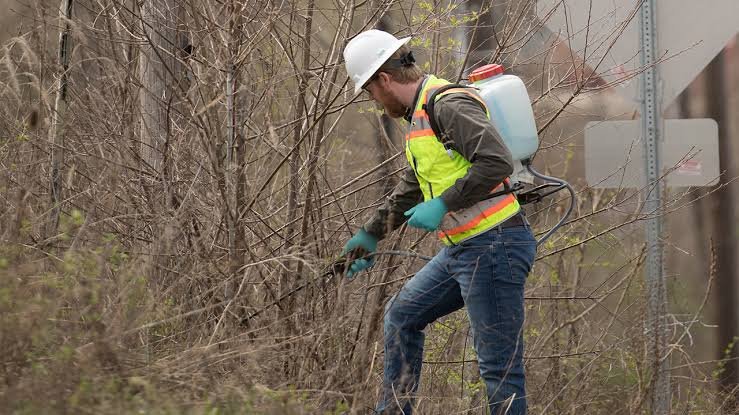
Agricultural runoff may carry fertilizers and pesticides. Wastewater can introduce microorganisms and nutrients. Industrial activity can contribute chemicals or metals when waste isn’t properly controlled. Even naturally occurring minerals can affect groundwater quality.
The source of the water matters enormously. A municipal supply is managed differently from a private well, and groundwater in one region can have very different chemistry from groundwater somewhere else.
Related readingWhat You Should Know About Herbicides, Pesticides, and VOCs in Water
That’s why water treatment shouldn’t be based on assumptions.
Understanding Heavy Metals
Heavy metals such as lead, arsenic, mercury, and cadmium can become water-quality concerns under certain circumstances. Some occur naturally in geological formations, while others may enter water through industrial activity, mining, corrosion, or older infrastructure.
Lead deserves particular attention because it can enter water from plumbing materials as water moves through pipes and fixtures. The problem may therefore exist within the household plumbing even when the source water itself is relatively clean.
One frustrating characteristic of many metals is that you can’t reliably detect them by taste, smell, or appearance.
Testing is the practical answer.
If laboratory analysis identifies elevated concentrations of a particular metal, treatment should be chosen specifically for that substance. Different filtration and treatment technologies have different capabilities, so a general-purpose filter isn’t necessarily enough.
Related readingCleaner Water Starts With the Right Filtration Approach
Bacteria and Microbial Concerns
Unlike many dissolved chemicals, bacteria and other microorganisms are living organisms that can potentially enter water through environmental contamination.
Private wells can be vulnerable, especially following heavy rain or flooding. A damaged well cap, poor drainage around the well, or nearby septic problems can also create pathways for contamination.
Not all bacteria are harmful, but certain disease-causing organisms can create serious health concerns.
That’s why testing for microbial quality is an important part of maintaining a private water supply. If contamination is identified, disinfection methods such as ultraviolet treatment or properly managed chemical disinfection may be considered.
Related readingUnderstanding Carbon and Mineral Media in Modern Water Filtration
The treatment method should be based on the type of contamination and the characteristics of the water.
How Industrial Products Can Affect Water
Manufacturing and commercial activity plays an important role in modern life, but poorly managed waste can affect surrounding water resources.
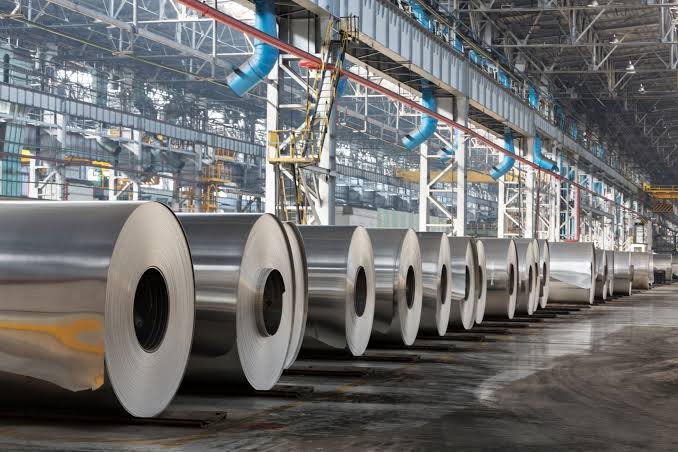
Certain industrial products may contain chemicals, solvents, metals, oils, or other substances that can enter waterways or groundwater if they’re improperly handled or released.
Regulations and environmental controls are designed to reduce these risks, but local conditions still matter. Areas near industrial facilities, old manufacturing sites, landfills, or mining operations may warrant additional attention when evaluating groundwater quality.
Related readingCleaner Water at Home: Choosing the Right Filtration and Softening Solution
Homeowners living in such areas shouldn’t panic. Instead, they can learn about local water conditions and consider appropriate testing.
Good information is much more useful than speculation.
Why Clear Water Isn’t Proof of Quality
It’s natural to judge water with your eyes. If it’s clear, doesn’t smell strange, and tastes normal, it feels safe.
But some contaminants don’t affect those characteristics at all.
Lead, certain pesticides, nitrates, and many dissolved substances can remain invisible. A household may therefore have water that looks completely normal while testing reveals a quality concern.
This is one reason laboratory analysis is so valuable. It measures things that our senses simply can’t.
For private wells, periodic testing can also establish a useful baseline. If results change significantly over time, you’ll have a clearer indication that something may have shifted.
The Role of Water Testing
Testing should be targeted rather than random.
A basic analysis may examine characteristics such as pH, hardness, iron, manganese, turbidity, total dissolved solids, and bacteria. Additional tests can be selected based on location, water source, previous results, or specific concerns.
For example, a home near agricultural land might require attention to different parameters than a home near an older industrial area.
Testing after flooding or major well repairs can also be sensible.
The important thing is to use a qualified laboratory and understand what the test actually covers. A limited screening test isn’t the same as a comprehensive analysis.
Choosing the Right Water Treatment
Once you know what’s in the water, treatment becomes easier to understand.
Activated carbon can be useful for certain taste, odor, and chemical concerns. Sediment filtration can reduce suspended particles. Water softeners are designed primarily to manage hardness. Reverse osmosis can reduce many dissolved substances at a point of use, while UV systems can help control microorganisms.
For metals, specialized media or other treatment methods may be required.
There is no universal filter that removes everything. That’s an important point, especially when shopping for water-treatment equipment.
The right system is the one designed for the specific issue identified through testing.
Don’t Forget About Your Plumbing
Water quality isn’t determined solely by the source.
Household plumbing can influence what eventually comes out of the tap. Older pipes and fixtures may contribute certain metals or other materials. Sediment can accumulate in plumbing components, while scale can build up when water is hard.
If water quality suddenly changes, it’s worth considering both the source and the plumbing.
Sometimes the problem isn’t the entire water supply. It may be isolated to a particular fixture or section of the plumbing system.
A More Sensible Way to Think About Water
Water-quality concerns can sound complicated, but the basic approach is surprisingly straightforward.
Know your water source. Pay attention to changes. Test when there is a reasonable reason to do so. And if testing identifies a problem, choose treatment designed specifically for that problem.
You don’t need to buy every filter on the market. In fact, doing so can create more maintenance and expense without solving the underlying issue.
Reliable water treatment begins with reliable information.
Protecting Water for the Long Term
Clean water depends on more than household filtration. Communities, businesses, farmers, and homeowners all play a role in protecting water resources.
Proper waste disposal, responsible chemical use, well maintenance, pollution control, and careful land management can reduce the chance of contaminants reaching water supplies in the first place.
For homeowners, the most practical step is simply to stay informed.
Water may look ordinary, but its quality can have a significant impact on daily life. By understanding concerns such as metals, microorganisms, and industrial contaminants—and by testing rather than guessing—you can make smarter choices about the water flowing through your home.
Sometimes the best water-treatment decision isn’t installing something new. It’s first taking the time to understand what you already have.