Water usually looks simple. It’s clear, it pours from the tap, and most days we don’t give it a second thought. But water can carry substances that aren’t visible to the naked eye, especially when it comes from sources exposed to agriculture, industrial activity, older infrastructure, or everyday household chemicals.
That doesn’t mean every glass of tap water is dangerous. In fact, treated public water supplies are monitored and regulated in many places. Still, understanding potential contaminants is useful, particularly if you rely on a private well or have noticed changes in taste, odor, or appearance.
The important thing is not to panic. It’s to know what you’re dealing with.
Where Water Contaminants Can Come From
Water travels through soil, rocks, pipes, treatment systems, and sometimes agricultural or industrial areas before it reaches your home. Along the way, different substances can potentially enter the supply.
Related readingHow UV Disinfection Light Can Help Protect Your Home’s Water
Agricultural chemicals are one example. Rain can carry residues through soil and into groundwater or surface water. Household and industrial chemicals can create other concerns.
The actual risk depends on the substance, its concentration, the water source, and the amount of exposure. That’s why water testing is much more useful than simply assuming a problem exists.
Understanding Herbicides
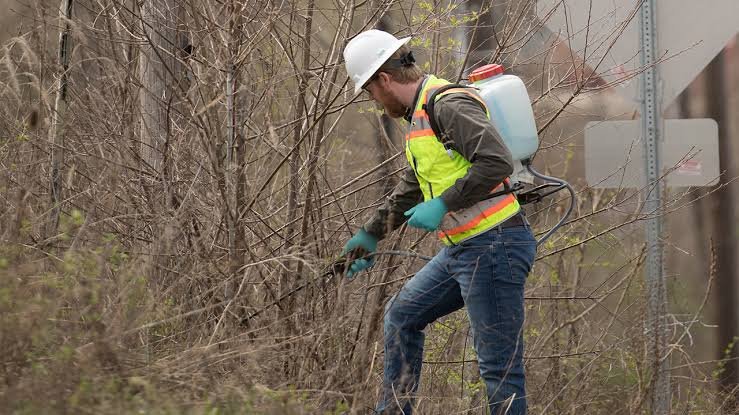
Farmers and property owners use chemicals to control unwanted vegetation, and herbicides can sometimes become a concern for nearby water sources.
These chemicals may reach groundwater or surface water through runoff, accidental spills, improper storage, or movement through soil. The likelihood and level of contamination vary considerably depending on local conditions.
Related readingCleaner Water Starts With the Right Filtration Approach
If you live near agricultural land and use a private well, regular water testing can be a sensible precaution. It doesn’t mean contamination is guaranteed. It simply gives you information about what’s actually in your water.
If testing identifies a specific herbicide, treatment should be selected based on that particular substance. Not every filter is designed to remove agricultural chemicals.
What About Pesticides?
The term pesticides covers a broad group of substances used to control insects, weeds, fungi, rodents, and other pests. Because the category is so broad, different compounds behave differently in water.
Related readingUnderstanding Water Chemistry and Protecting Your Home’s Plumbing
Pesticides can potentially enter water through agricultural runoff, improper disposal, spills, or other environmental pathways. Some break down relatively quickly, while others can persist longer under certain conditions.
This is another reason generic claims about “removing pesticides” should be treated carefully. A treatment system should ideally identify which compounds it has been tested to reduce and under what conditions.
A good water professional should be willing to explain those details instead of simply promising that one filter removes everything.
VOCs Are Another Type of Concern
Volatile organic compounds, commonly called VOCs, are a large group of chemicals that can come from fuels, solvents, manufacturing processes, household products, and other sources.
Related readingCleaner Water at Home: Choosing the Right Filtration and Softening Solution
Some VOCs can enter groundwater through spills or improper handling and may eventually affect private wells or other water sources.
One interesting thing about VOCs is that some can also affect water’s taste or odor. However, you shouldn’t rely on taste or smell as a reliable safety test. Some contaminants can be present without creating an obvious sensory warning.
Testing is the better approach when there’s a reasonable concern about chemical contamination.
Why Private Well Owners Need to Pay Attention
People using municipal water generally benefit from centralized treatment and monitoring. Private well owners have a different responsibility.
Related readingWhy Professional Water System Service Matters Long After Installation
A private well can be influenced by local geology, nearby land use, agricultural activity, septic systems, flooding, and changes in groundwater conditions.
Water that tasted perfectly normal for years can change as surrounding conditions change.
Regular testing can help establish a baseline and identify unusual changes. If you notice a sudden difference in taste, smell, or appearance, testing is especially worth considering rather than simply hoping the problem disappears.
Choosing the Right Filtration Technology
There isn’t a single filter that removes every possible contaminant.
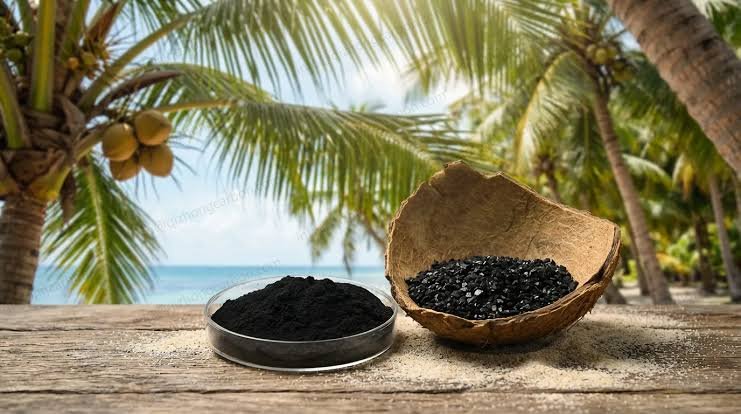
Activated carbon is commonly used for certain organic compounds and taste or odor concerns. Reverse osmosis can reduce many dissolved substances, depending on the system and contaminant. Other technologies are designed for specific water-quality problems.
The right treatment depends on the contaminant, its concentration, the amount of water being treated, and the intended use.
That’s why a water test should come before equipment selection whenever possible.
Buying a system first and testing later is a bit like buying medicine before figuring out what you’re sick with. It might work, but that’s a pretty expensive way to guess.
Whole-Home or Drinking-Water Treatment?
Another important decision is where the water needs to be treated.
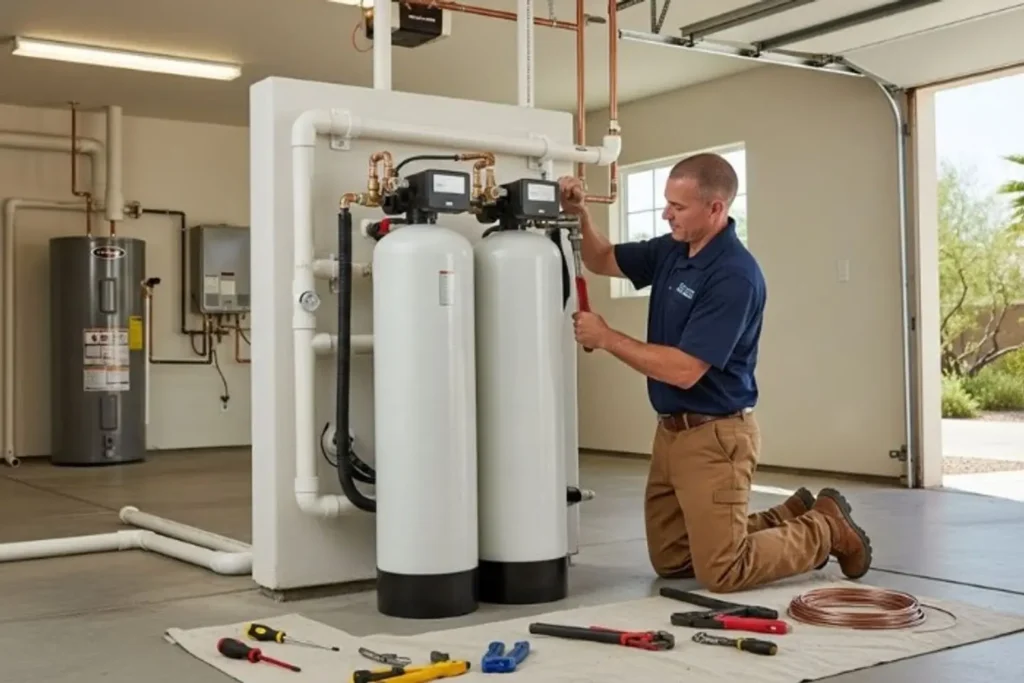
If your concern is primarily drinking and cooking water, a point-of-use system may be sufficient in some situations. If the entire household supply is affected by a contaminant that requires treatment, a whole-home system may be more appropriate.
There isn’t a universal answer.
Think about how the water is used in your home and whether the identified contaminant poses a concern through drinking, bathing, cooking, or other exposure routes. A qualified professional can help determine which treatment arrangement makes sense.
Don’t Forget About Maintenance
Installing a filtration system is only part of the process.
Filters eventually become saturated. Membranes require replacement or maintenance. Treatment equipment may also need periodic inspection to make sure it continues working as intended.
This is especially important when you’re relying on treatment for a specific contaminant.
Ask about filter replacement schedules, expected operating costs, maintenance requirements, and performance testing. Keep records of service and, where appropriate, continue testing the water.
A filter isn’t a magic box. It has a working capacity, and ignoring maintenance can reduce its effectiveness.
Be Careful With Big Marketing Claims
Water-treatment advertising can sometimes make things sound wonderfully simple.
“Pure water.” “Removes everything.” “Complete protection.”
Real water chemistry is more complicated.
A responsible treatment provider should be able to tell you exactly what a system is designed to reduce, what it isn’t designed to remove, and what testing supports the claim.
Look for specific performance information rather than broad promises. If a company can’t clearly explain how its equipment addresses your particular water concern, it’s reasonable to keep asking questions.
Prevention Still Matters
Filtration is useful, but preventing contamination in the first place is even better when possible.
Store chemicals properly. Keep fuels, solvents, fertilizers, and pesticides away from wells and drainage areas. Maintain septic systems appropriately. Address spills quickly and follow local guidance for chemical disposal.
For private well owners, protecting the area around the wellhead can also help reduce certain risks.
Treatment should be part of a larger water-quality strategy, not the only line of defense.
The Bottom Line
Herbicides, pesticides, and VOCs may sound like complicated environmental terms, but the basic lesson is straightforward: know what’s in your water before deciding how to treat it.
If you’re concerned about agricultural chemicals, chemical spills, or changes in your water quality, testing can provide useful answers. From there, you can choose filtration technology based on evidence rather than fear or guesswork.
Good water treatment isn’t about buying the most expensive system available. It’s about identifying the actual problem, choosing technology designed to address it, and keeping that system properly maintained.
In the end, a little knowledge can go a long way. When you understand your water, you can make calmer, smarter decisions about protecting the water your household depends on every single day.