Water is one of those things businesses use constantly but rarely talk about unless there is a problem. It flows through kitchens, laboratories, production lines, cleaning stations, boilers, cooling systems, ice machines, and handwashing areas. It may not sit at the centre of the business plan, but in many industries, water quality quietly affects performance every single day.
And here’s the thing: water can look perfectly clean and still cause trouble. It may contain minerals that build up inside equipment, particles that affect processes, or substances that change taste, smell, safety, or consistency. For some businesses, poor water quality is just an inconvenience. For others, it can affect compliance, product standards, customer experience, and operating costs.
That is why commercial water treatment deserves more attention than it usually gets. Not in a dramatic way. Just in the practical, “let’s stop problems before they grow” kind of way.
Related readingWhy Better Water Management Matters for Every Growing Business
Why Commercial Water Needs Are Different
A home may use water for drinking, bathing, laundry, and cooking. A business often asks much more from its water. The volume is higher. The equipment is more expensive. The results often need to be consistent from one day to the next.
For example, a café needs water that supports good coffee and clean ice. A dental clinic may need reliable water for equipment and hygiene routines. A factory may need treated water that does not interfere with production. Even small shifts in water quality can create bigger operational headaches when a business depends on water all day.
Water in Food and Beverage Settings
In food service, water affects more than people realise. It influences beverages, ice, steamers, dishwashers, soups, sauces, and even how clean glassware looks when it reaches the table. If water tastes odd, customers may notice it in coffee, tea, fountain drinks, or ice. If minerals are high, equipment may scale up faster and require more cleaning.
Good water treatment can help protect both quality and reputation. Restaurants, cafés, hotels, and catering businesses do not always get a second chance when customers notice something feels off. Better water helps keep taste, cleanliness, and equipment performance more dependable.
Related readingCleaner Water Starts With the Right Filtration Approach
Water Quality in Sensitive Environments
In healthcare, water quality can be especially important because many daily processes depend on cleanliness, consistency, and equipment reliability. Clinics, care facilities, laboratories, dental offices, and medical environments may all use water in different ways, but the expectation is similar: the water needs to be suitable for the job.
This does not mean every facility needs the same system. Some may need filtration. Others may require softening, reverse osmosis, UV treatment, or a more specialised setup. The right approach depends on the application, regulations, equipment, and risk level. Guessing is not good enough in sensitive environments.
Industrial Water Has to Work Hard
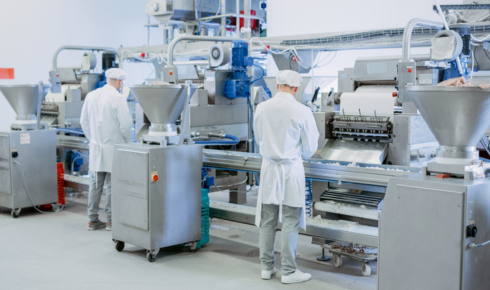
In manufacturing, water often plays a direct role in production, rinsing, cooling, cleaning, mixing, or equipment operation. If the water contains too many minerals, particles, or unwanted substances, it can affect machinery, product consistency, and maintenance schedules.
This is where water treatment becomes a business tool, not just a utility upgrade. Better water can reduce scale, improve process control, and support smoother production. For many facilities, it also helps limit downtime, which is usually where the real cost shows up.
Related readingCleaner Water at Home: Choosing the Right Filtration and Softening Solution
Removing What Does Not Belong
One of the main goals of commercial water treatment is contaminant removal. Depending on the water source and business needs, that may mean reducing sediment, chlorine, hardness minerals, dissolved solids, metals, organic compounds, or other unwanted materials.
The word “contaminant” can sound alarming, but the point is not always fear. Sometimes it is about safety. Sometimes it is about taste. Sometimes it is about protecting equipment or improving consistency. A proper water analysis helps identify what needs to be reduced and which treatment method makes the most sense.
Testing Before Choosing a System
A commercial water system should never be chosen based only on a brochure or a quick guess. Water testing comes first. It shows what is actually present in the supply and helps determine whether filtration, softening, reverse osmosis, UV, carbon treatment, or another method is needed.
Testing also helps avoid overbuying. Businesses do not need the most complicated system just because it sounds impressive. They need the right system for their water, their equipment, and their daily operations.
Related readingWhy Professional Water System Service Matters Long After Installation
Maintenance Keeps Results Reliable
Even the best system needs care. Filters clog. Membranes wear. Media becomes exhausted. Equipment settings may need adjustment. If maintenance is ignored, water quality can slowly decline, sometimes before anyone notices.
A planned service schedule keeps performance more predictable. It also helps businesses avoid sudden breakdowns, poor results, or emergency repairs. In commercial environments, consistency matters, and maintenance is a big part of that consistency.
A Smarter Investment in Daily Operations
Good water treatment is not always visible to customers, patients, or end users. They may never see the system behind the scenes. But they may notice the results: better-tasting drinks, cleaner processes, fewer equipment problems, more consistent products, and smoother daily operations.
Related readingHow UV Disinfection Light Can Help Protect Your Home’s Water
That is the quiet value of better commercial water. It supports the work without demanding attention. It helps teams do their jobs with fewer interruptions. And in industries where quality matters, that steady reliability can make a real difference.
In the end, water is not just something that comes through a pipe. For many businesses, it is part of the product, the process, and the customer experience. Treat it properly, and it becomes one less thing to worry about — which, honestly, is worth more than most people realise.