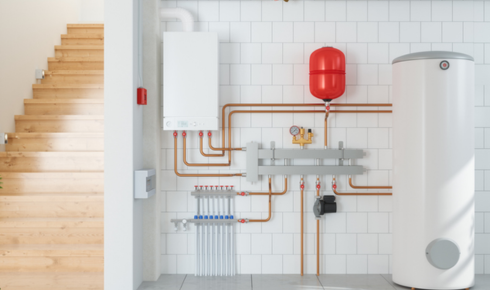
Most people don’t wake up thinking about their water heater. It sits somewhere out of sight, doing its job quietly, until one morning the shower turns cold too fast or the tap takes forever to warm up. Then, suddenly, that plain-looking tank in the garage or utility closet becomes the most important appliance in the house.
Hot water is one of those everyday comforts we almost forget to appreciate. It helps with showers, laundry, dishes, cleaning, and all the little routines that keep a home moving. When the system is working well, life feels normal. When it isn’t, even simple things become annoying. Nobody wants to schedule their morning around who gets the last warm shower.
Choosing a water heater can feel a bit confusing at first. There are fuel types, sizes, efficiency ratings, installation requirements, and cost differences. But once you understand the basics, the decision becomes much less intimidating.
Related readingWhy Professional Water System Service Matters Long After Installation
Why Water Heating Matters in Daily Life
A reliable water heater does more than provide comfort. It supports the rhythm of the home. Families with children may need hot water throughout the day. Smaller households may use less, but still expect steady performance when needed. The right system should match the home’s size, water habits, and energy setup.
The problem is that many homeowners only think about replacement when the old unit has already failed. That usually means rushing the decision, calling whoever is available first, and choosing whatever can be installed quickly. Sometimes that works out. Sometimes it leads to a system that is too small, inefficient, or not ideal for the home.
A little knowledge before an emergency can save money, stress, and plenty of cold-water frustration later.
Related readingFinding the Right Water Treatment System for a Healthier and More Comfortable Home
Understanding Gas Options
For many homes, gas water heaters are a common choice because they can heat water quickly and often recover faster after heavy use. That means if several people shower back-to-back, or laundry and dishes are running close together, a gas unit may keep up better in certain households.
Gas models usually need proper venting and safe fuel connections, so installation should be handled carefully by trained professionals. They may cost more to install in some cases, especially if the home needs updated venting or gas line work. Still, where natural gas is available and affordable, this option can make practical sense.
Another thing homeowners like is that gas systems may continue to work during some power outages, depending on the model and ignition type. That is not always guaranteed, but it is worth asking about when comparing systems.
When Electric Makes Sense
In homes without gas service, or where simpler installation is preferred, electric water heaters can be a smart and dependable option. They do not need gas lines or combustion venting, which can make them easier to place in certain spaces. For apartments, smaller homes, or properties where gas is not available, electric units are often the natural choice.
Electric models are generally straightforward, but that does not mean every unit is the same. Capacity, recovery rate, energy use, and household demand still matter. A small unit may be fine for one or two people, but not enough for a busy family with multiple bathrooms.
Related readingA Well-Planned Plumbing System Makes Every Space Work Better
Some homeowners also consider heat pump water heaters, which use electricity but operate differently from standard electric tanks. They can be efficient in the right conditions, though they may need more space and a suitable location to work well.
Size Is More Important Than People Realise
A water heater that is too small will struggle, no matter how good the brand is. A unit that is too large may waste energy and cost more than necessary. This is where sizing matters.
The number of people in the home is only one part of the picture. You also need to think about bathrooms, laundry habits, dishwasher use, shower length, and peak demand. For example, a household where everyone showers in the morning may need stronger recovery than a home where water use is spread throughout the day.
Related readingHow UV Disinfection Light Can Help Protect Your Home’s Water
This is why guessing based only on the old unit is not always best. The previous system may have been undersized for years, and everyone simply adjusted without thinking about it.
Installation Quality Can Make or Break Performance
Even the best water heater can disappoint if it is installed poorly. Proper residential plumbing work includes more than connecting pipes and turning the system on. A professional should consider pressure, safety valves, drainage, venting, expansion tanks where needed, fuel or electrical requirements, and local code standards.
Bad installation can lead to leaks, poor efficiency, noisy operation, safety concerns, or early failure. It may also affect warranties. So while it is tempting to choose the cheapest installation quote, homeowners should be careful. Saving a little upfront can become expensive if the job has to be corrected later.
A good installer will explain the options clearly, not rush the conversation, and help choose a unit that suits the home rather than simply pushing the most expensive model.
Related readingCleaner Water at Home: Choosing the Right Filtration and Softening Solution
Maintenance Keeps the System Healthier
Water heaters do not need constant attention, but they should not be completely ignored either. Tank systems may need flushing to reduce sediment. Anode rods should be checked from time to time. Valves, connections, and signs of corrosion should be inspected. In areas with hard water, mineral buildup can happen faster, which makes maintenance even more important.
Homeowners should also watch for warning signs: rusty water, leaks near the base, unusual noises, inconsistent temperature, or water that takes longer than usual to heat. These symptoms do not always mean the unit is finished, but they do deserve attention.
It is usually cheaper to deal with a small issue early than to wait for a full breakdown.
Cost Is Not Just the Price Tag
The purchase price matters, of course. So does installation. But long-term operating cost matters too. A cheaper unit that uses more energy or needs frequent repairs may not be the bargain it seems. On the other hand, the most advanced system is not always necessary for every home.
The best choice is usually the one that balances comfort, efficiency, installation requirements, and realistic household needs. It should work quietly in the background, without making the family think about it every day.
A Practical Choice for a More Comfortable Home
A water heater may not be glamorous, but it is deeply practical. It keeps mornings moving, kitchens cleaner, laundry easier, and homes more comfortable. When chosen and installed properly, it becomes one of those systems you rarely notice because it simply works.
That is really the goal. Not fancy features for the sake of it. Not buying the biggest unit just because it sounds better. Just reliable hot water, sensible energy use, and fewer surprises.
For homeowners, the smartest step is to understand the options before there is an emergency. Compare the right fuel type, choose the proper size, work with a qualified installer, and keep up with basic maintenance. Do that, and your water heater can quietly support daily life for years without much drama — which, honestly, is exactly what you want from it.