There’s a funny thing about water. We need it all day, every day, but most of us don’t give it much thought until it tastes off, runs out, or costs more than expected. Then suddenly, water becomes a whole little project. Buy another case. Carry it from the store. Make space in the pantry. Throw away the empty bottles. Repeat next week.
For a long time, bottled water felt like the easy answer. It was clean, convenient, and ready to grab. But habits change when people start noticing the waste, the price, and, honestly, the hassle. More households, workplaces, gyms, and small businesses are now turning toward refill options because they offer something pretty simple: fresh water without the endless plastic trail.
Why People Are Moving Away from Single-Use Bottles
It’s not that bottled water has disappeared. Far from it. But plenty of people are rethinking how often they rely on it. A few bottles in the car or fridge may be useful, sure. But using bottled water as the main drinking source can get expensive fast.
Related readingWhy Investing in Better Drinking Water Is One of the Smartest Home Decisions You Can Make
There’s also the storage problem. Cases of water take up room, and if you have a busy family, they vanish quicker than expected. One child takes two bottles to school. Someone grabs a few for the gym. Guests come over. Before you know it, that “big pack” is nearly empty.
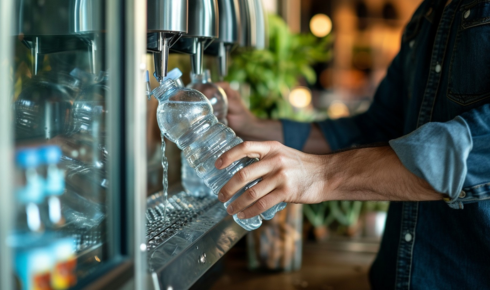
Refill water makes the routine a little smoother. Bring a container, fill it, and you’re done. No big plastic wrapping. No mountain of empties. No awkward balancing act with three heavy cases in a shopping cart that has one bad wheel.
The Taste Still Matters
People don’t switch to refill stations only because they want to save money or reduce waste. Taste is a big deal too. Water should taste clean and refreshing, not stale, flat, or vaguely plastic-like. That’s one reason many customers look for bottled-quality water without needing to buy individual plastic bottles every time.
Good refill water can feel lighter and cleaner, especially when it has been filtered through a well-maintained system. It can make coffee taste better, help ice cubes stay fresher, and encourage people to drink more water throughout the day. That last part matters. When water tastes good, staying hydrated doesn’t feel like a chore.
Related readingWhy Better Water Filtration Makes Everyday Life Feel a Little Easier
Of course, not every refill option is equal. Clean equipment, proper filter changes, and regular maintenance all make a difference. A water station should feel trustworthy from the first look. If the area is messy or the machine looks neglected, most people will walk away, and rightly so.
A Better Daily Habit, Not a Big Lifestyle Speech
Sometimes sustainability is presented like a huge moral lecture. Most people don’t need that. They need practical choices that fit real life. Water refilling works because it’s simple. It doesn’t ask someone to completely change their day.
Using reusable bottles is one of those small habits that quietly adds up. Keep one on your desk, another in the car, maybe a larger jug at home, and drinking fresh water becomes easier almost automatically. You don’t have to remember to buy a bottle every time you leave the house. You already have one ready.
This also helps reduce plastic waste without making life inconvenient. That’s the key. People stick with habits when they are easy, affordable, and useful. A refill routine checks all three boxes.
Related readingWhy Better Water Management Matters for Every Growing Business
Useful for Homes, Offices, and Busy People
Water refill options are not just for one type of customer. Families use them because they go through a lot of water. Offices use them because staff need fresh drinking water without piles of disposable bottles. Fitness centers, shops, salons, clinics, and small businesses can also benefit from easier access to clean drinking water.
For homes, refill stations are especially helpful when tap water doesn’t taste great. Maybe it has too much chlorine flavor. Maybe it leaves a mineral aftertaste. Maybe the family simply prefers filtered water for drinking and cooking. Refilling larger containers can be much more practical than buying small bottles again and again.
For businesses, the benefit is partly convenience and partly presentation. Offering fresh water shows care for employees and visitors. It’s a small detail, but small details often shape how people feel about a place.
Related readingWhy Better Water at Home Is About More Than Just What Comes Out of the Tap
Making Refills More Convenient
One thing that makes the refill experience even smoother is easy payment. Nobody wants to search for coins, wait around, or deal with an awkward process when they’re just trying to fill water containers. That’s where bulk fill cards can be useful for regular customers who refill often and want a quicker, more organized option.
These cards can work well for families, offices, and businesses that need water consistently. Instead of paying each time in a scattered way, they can manage refills more simply. It saves time, and for regular users, convenience is often what keeps the habit going.
What to Look for in a Refill Service
A good refill service should be clean, easy to use, and consistent. The water should taste fresh every time, not good one week and strange the next. The station should be maintained properly, and customers should feel confident about what they’re filling.
Location matters too. If a refill station is close to home, work, or a regular shopping route, people are more likely to use it. Convenience turns good intentions into actual habits.
Related readingA Better Glass of Water Can Change More Than You Think
Clean containers are also part of the equation. Even the best water won’t stay fresh in a jug that hasn’t been washed properly. Caps, handles, and bottle openings should be cleaned often, especially with containers used daily.
A Small Change That Makes Sense
Fresh water refilling is not complicated, and that’s why it works. It gives people a way to enjoy clean, refreshing water while cutting down on waste and avoiding the repeated cost of single-use bottles.
Maybe it starts with one bottle on your desk. Maybe it’s a few large jugs for the kitchen. Maybe it’s an office setup that keeps everyone hydrated through the week. However it begins, the idea is the same: better water, less plastic, and a routine that feels easy enough to keep.
In the end, drinking good water should not feel like a luxury or a weekly burden. It should be simple, accessible, and part of everyday life.