Water is one of those things we rarely think about until something feels off. Maybe your morning coffee tastes slightly bitter, your ice cubes have a strange smell, or the tap water just doesn’t seem as refreshing as it used to. Most of us simply adapt—we buy bottled water, add flavor packets, or convince ourselves it’s “just how the water is here.”
But good water shouldn’t require workarounds.
Whether your home receives municipal water or relies on a private well, the quality of the water reaching your faucet has a direct impact on your daily routine. It affects cooking, drinking, bathing, cleaning, and even the lifespan of appliances. The encouraging news is that today’s filtration systems offer practical ways to improve water quality without making life more complicated.
The trick isn’t buying the biggest or most expensive system. It’s understanding what your water actually needs.
Related readingWhy Investing in Better Drinking Water Is One of the Smartest Home Decisions You Can Make
Every Water Source Tells a Different Story
No two homes have identical water.
A family living in one neighborhood may notice strong chlorine odors, while another household a few miles away struggles with hard water minerals or naturally occurring iron. Homes supplied by private wells often face entirely different challenges, including sediment, sulfur, manganese, or agricultural runoff.
That’s why there isn’t a universal solution that works for everyone.
Before investing in equipment, it’s worth understanding where your water comes from and what it contains. Even simple water testing can reveal information that helps you choose a system designed for your specific situation rather than relying on guesswork.
Why Water Filtration Matters Beyond Drinking
Many people think of water filtration as something that only improves drinking water, but its benefits extend throughout the entire home.
Cleaner water supports better-tasting meals, clearer ice cubes, and beverages that aren’t influenced by chlorine or other unwanted compounds. It can also reduce sediment entering plumbing fixtures, helping certain appliances operate more efficiently over time.
Related readingCleaner Water at Home: Choosing the Right Filtration and Softening Solution
For families with children or older adults, having consistently clean water available straight from the tap also brings a level of convenience that’s difficult to measure.
Instead of constantly stocking bottled water or replacing inexpensive pitcher filters every few weeks, homeowners often appreciate having a more dependable long-term solution.
Common Water Problems Homeowners Notice
Water quality concerns don’t always appear dramatically.
Related readingUnderstanding Carbon and Mineral Media in Modern Water Filtration
Sometimes they’re subtle enough that families gradually accept them as normal.
You might notice:
- Chlorine smell when filling a glass
- Cloudy drinking water that eventually clears
- White spots on glassware
- Metallic aftertaste
- Sediment collecting in kettles
- Stubborn mineral stains around faucets
- Coffee that tastes different than expected
These symptoms don’t necessarily indicate unsafe water, but they often suggest there’s room for improvement.
Understanding what’s causing them helps determine which treatment method will deliver the best results.
Different Filters Solve Different Problems
One of the biggest misconceptions about home water treatment is believing every filter performs the same job.
Related readingWhy Clean Water at Home Is One of the Best Investments You’ll Never Regret
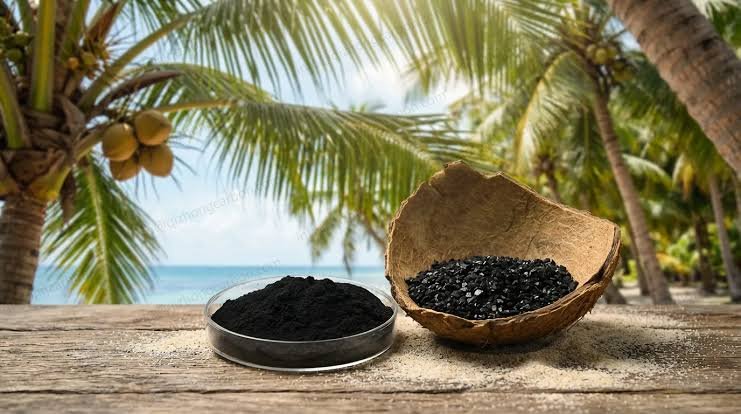
Activated carbon filters excel at reducing chlorine, odors, and many organic compounds. Reverse osmosis systems remove a wide variety of dissolved contaminants for exceptionally clean drinking water.
Sediment filters capture particles like sand and rust before they travel through plumbing.
Water softeners target hardness minerals rather than chemical contaminants.
Homes facing unique challenges sometimes require specialty water filters designed specifically for iron, sulfur, manganese, tannins, arsenic, or other localized water conditions.
Choosing equipment based on actual water analysis almost always produces better long-term results than selecting products based solely on advertising claims.
Related readingCleaner Water Starts With the Right Filtration Approach
Better Water Changes Everyday Habits
One surprising benefit of improved water quality is how quickly people begin using tap water more often.
Morning coffee becomes smoother. Tea develops richer flavor. Soups, pasta, vegetables, and homemade meals all benefit from cleaner water because water is often the largest ingredient in cooking.
Many homeowners also notice they’re drinking more water simply because they enjoy it.
Children may reach for reusable bottles instead of sugary beverages, while guests become comfortable accepting a glass of tap water without hesitation.
Small changes like these quietly improve daily routines in ways that extend beyond convenience.
Why Taste Really Does Matter
Water shouldn’t compete with the foods and beverages you enjoy.
Chlorine, sulfur compounds, excess minerals, or organic material can interfere with the natural flavor of coffee, tea, fresh fruit, soups, and countless recipes.
Even something as simple as boiling pasta begins with water.
When the water itself tastes cleaner, meals often taste more balanced because unwanted flavors aren’t being introduced during preparation.
Professional chefs frequently emphasize ingredient quality, and water deserves to be included in that conversation. It’s present in nearly every kitchen, every day.
Looking at Long-Term Value
Many homeowners initially focus on the purchase price of a filtration system.
While that’s understandable, long-term value often tells a different story.
Quality filtration can reduce bottled water expenses, minimize disposable plastic waste, improve appliance performance, and decrease the frequency of replacing inexpensive pitcher filters.
Depending on the system, it may also help reduce sediment entering plumbing fixtures and improve the effectiveness of cleaning by removing contaminants that interfere with soaps or detergents.
Over several years, those everyday savings often become more meaningful than the original installation cost.
Choosing the Right System Starts With Testing
Perhaps the biggest mistake homeowners make is purchasing filtration equipment before understanding what’s actually in their water.
Water testing provides valuable insight into hardness levels, chlorine, sediment, iron, sulfur, pH, dissolved solids, and other characteristics.
Once those results are available, selecting the appropriate treatment becomes much simpler.
Instead of buying unnecessary equipment—or missing the real issue entirely—you can invest in a solution tailored specifically to your home’s needs.
That approach usually delivers better performance, lower maintenance, and greater satisfaction over time.
Better Water Is an Investment in Everyday Comfort
Water is woven into almost every part of daily life. We drink it, cook with it, clean with it, bathe in it, and rely on it without much thought.
Improving water quality isn’t just about removing contaminants. It’s about making ordinary routines a little more enjoyable. Cleaner coffee, fresher meals, clearer ice, and better-tasting drinking water all contribute to a home that simply feels more comfortable.
Whether you’re addressing chlorine, sediment, minerals, or more specialized water concerns, the right filtration system can make a lasting difference. When your water tastes fresh and performs the way it should, it’s one less thing to worry about—and one more reason to enjoy the simple moments that happen around the kitchen sink every day.