Water is one of those things we tend to take for granted. You turn on the kitchen tap, fill a glass, brew coffee, boil pasta, or rinse fresh fruit without giving it much thought. It’s simply part of everyday life. But every once in a while, something changes—a strange taste, cloudy ice cubes, or stubborn mineral spots on your dishes—and suddenly you start wondering what’s actually flowing through your pipes.
For many homeowners, that curiosity becomes the first step toward understanding their home’s water. Not because there’s necessarily a major problem, but because clean, great-tasting water has a way of improving everyday life in small yet meaningful ways. Once you notice the difference, it’s surprisingly difficult to go back.
Every Home Has a Different Water Story
People often assume everyone receives the same quality of water, especially if they’re connected to a municipal supply. In reality, water can vary significantly between neighborhoods—or even between homes on the same street.
Related readingWhy Better Water Filtration Makes Everyday Life Feel a Little Easier
The journey from the treatment facility to your faucet isn’t always simple. Water travels through miles of underground pipes, and factors like aging infrastructure, seasonal weather, plumbing materials, and naturally occurring minerals can all influence what eventually reaches your kitchen sink.
That’s why one family may never think twice about their tap water, while another notices a metallic taste, excess hardness, or cloudy appearance.
Understanding those local differences helps explain why there isn’t a universal solution that works for every household.
Related readingWhy Your Tap Water Might Taste Different—and What You Can Do About It
Taste Isn’t the Only Thing That Matters
When people think about improving water, taste usually comes to mind first. And yes, cleaner-tasting water certainly makes coffee, tea, soups, and cold drinks more enjoyable.
But there’s another side that’s often overlooked.
Better water can reduce mineral buildup inside appliances, help kettles stay cleaner, improve the clarity of ice cubes, and even make cooking more consistent. Fresh ingredients often retain their natural flavors instead of competing with unwanted chlorine or mineral notes.
It’s amazing how something as simple as better water quietly influences so many daily routines.
Related readingCleaner Water at Home: Choosing the Right Filtration and Softening Solution
Choosing the Right Filtration System
Shopping for water systems can feel overwhelming. There are countless products promising cleaner water, healthier living, and dramatic improvements.
The reality is much simpler.
The best water filtration system depends entirely on what’s actually present in your home’s water. Some families need sediment removal because of aging pipes. Others struggle with hard minerals, chlorine taste, or naturally occurring contaminants. Private wells may require very different treatment than municipal water supplies.
Rather than purchasing equipment based on advertisements alone, many homeowners begin with professional water testing. Knowing what’s in the water makes choosing the right solution far easier—and often prevents unnecessary spending.
Why Drinking Water Deserves Special Attention
Think about how often your household relies on clean water throughout the day.
Related readingCleaner Water Starts With the Right Filtration Approach
Morning coffee, cooking rice, making baby formula, filling reusable bottles, preparing fresh vegetables, mixing smoothies, or simply grabbing a refreshing glass after exercise all depend on the same source.
That’s why many families eventually install a dedicated drinking water system rather than relying solely on standard tap water. Instead of constantly purchasing bottled water or worrying about taste differences, they enjoy convenient access to filtered water directly from the kitchen.
It’s not just about convenience. It often reduces plastic waste while encouraging healthier hydration habits because clean water becomes readily available whenever it’s needed.
Understanding Reverse Osmosis
Among modern household filtration options, reverse osmosis remains one of the most recognized technologies—and for good reason.
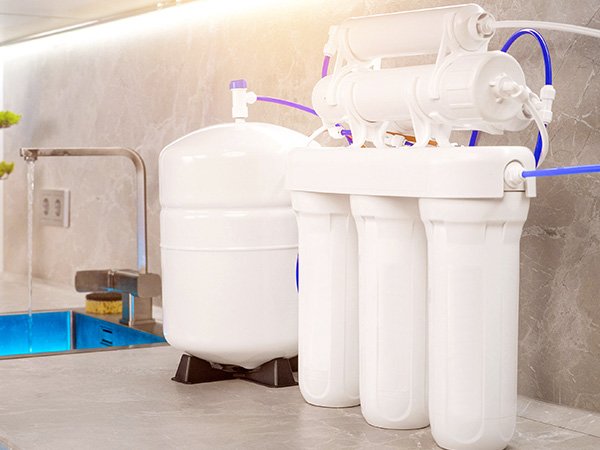
The process uses a specialized membrane to remove many dissolved impurities that traditional filters may not capture. For households dealing with elevated mineral content or specific water concerns, this technology can provide exceptionally clean drinking water.
Related readingWhy Clean Water at Home Is One of the Best Investments You’ll Never Regret
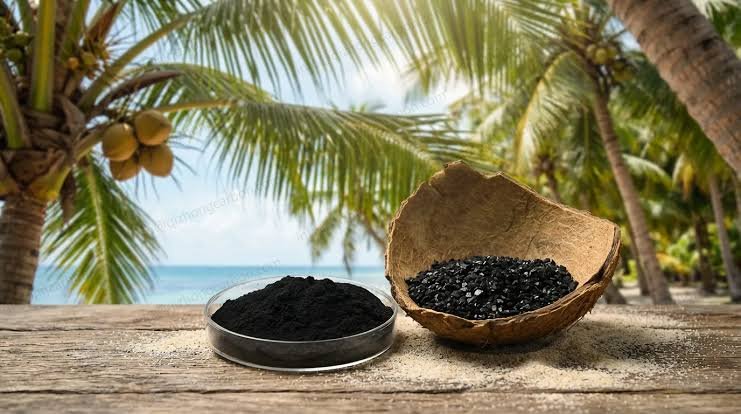
That said, it’s important to remember that reverse osmosis isn’t automatically the right answer for every home. Water chemistry varies by location, and each household has different priorities. Some families only need carbon filtration to improve taste, while others benefit from more advanced systems.
Choosing equipment based on actual water conditions rather than trends usually leads to better long-term satisfaction.
Small Improvements You Notice Every Day
One of the interesting things about better water is that the benefits rarely arrive all at once.
Instead, they quietly become part of daily life.
You may notice that your coffee tastes smoother. Ice cubes appear clearer. Guests compliment your drinking water without knowing why. Children naturally drink more water because it tastes fresher, and reusable bottles become part of everyone’s routine.
These aren’t dramatic lifestyle changes. They’re simple improvements that slowly become normal until you hardly remember what your water tasted like before.
Sometimes the best home upgrades are the ones you experience every single day without needing to think about them.
Protecting More Than Just Your Glass
Household water affects much more than drinking.
Appliances such as refrigerators with ice makers, coffee machines, electric kettles, and countertop beverage systems all perform better when mineral buildup is minimized. In many homes, reducing scale also helps extend the life of equipment while lowering maintenance requirements.
That doesn’t necessarily mean every home needs a whole-house filtration system. The right approach depends on local water conditions, household size, and personal priorities.
The key is making informed decisions rather than assuming one solution fits everyone.
Looking Beyond Marketing Claims
It’s easy to become overwhelmed by bold promises online. Every product seems to claim it’s the best, healthiest, or most advanced.
Instead of focusing solely on advertising, consider asking practical questions.
What does your water actually contain? Which concerns matter most to your family? How much maintenance does a system require? Are replacement filters easy to find? Will the system still meet your needs several years from now?
Those questions usually lead to better purchasing decisions than chasing the latest trend.
Better Water Is Really About Everyday Comfort
Improving your home’s drinking water isn’t about perfection. It’s about making ordinary moments a little better.
Every glass you drink, every meal you prepare, every cup of tea you enjoy, and every bottle you fill before leaving the house begins with the same source. When that water tastes cleaner and feels more reliable, the improvement quietly spreads through your daily routine.
In the end, investing in better water isn’t simply buying another household appliance. It’s choosing comfort, convenience, and confidence for something your family depends on every single day. Sometimes the most valuable home improvements aren’t the ones people immediately notice—they’re the ones that make life consistently better, one glass at a time.