Water is one of those everyday essentials that quietly shapes our lives. We drink it without much thought, cook with it, brew our morning coffee, wash fresh vegetables, and rely on it countless times throughout the day. Because it’s always there, we tend to assume it’s exactly the same every time we turn on the faucet. In reality, that’s rarely the case.
Seasonal changes, municipal treatment methods, aging infrastructure, and natural minerals can all influence the way your water tastes, smells, and even feels. Sometimes the difference is barely noticeable. Other times, it’s enough to make homeowners wonder if something is wrong.
Fortunately, understanding what affects your water is the first step toward improving it. Most concerns have practical solutions, and many can be addressed without replacing your home’s plumbing or making complicated changes.
Related readingCleaner Water at Home: Choosing the Right Filtration and Softening Solution
Why Water Doesn’t Always Taste the Same
Many people expect water to be completely flavorless, but pure water actually picks up characteristics from everything it comes into contact with.
As water travels through rivers, reservoirs, treatment plants, underground pipes, and finally your household plumbing, it naturally interacts with minerals and treatment chemicals along the way. Even weather patterns and heavy rainfall can temporarily influence water quality.
Municipal suppliers continually monitor drinking water to meet safety standards, but those standards focus primarily on public health. Taste, smell, and personal preference are often separate matters.
Related readingCleaner Water Starts With the Right Filtration Approach
That’s why one neighborhood may describe its water as fresh while another nearby notices subtle changes in flavor.
Understanding Modern Water Treatment
Public water systems work incredibly hard to provide safe drinking water for thousands—or even millions—of people every day.
One important part of that process involves disinfectants that eliminate harmful bacteria and viruses before water reaches homes. While chlorine has traditionally been the most common disinfectant, many municipalities now use chloramines because they remain effective throughout longer distribution systems.
This combination of chlorine and ammonia helps maintain disinfection over greater distances while producing fewer disinfection byproducts than chlorine alone in many situations.
Related readingGood Water Quietly Protects the Home You’ve Worked Hard For
Although these disinfectants serve an important public health role, some homeowners notice slight differences in taste or smell depending on local treatment practices.
Why Taste Matters More Than People Think
Some people dismiss water flavor as a minor inconvenience, but taste has a surprising impact on everyday habits.
If water doesn’t taste pleasant, many people naturally drink less of it. Others spend significant money buying bottled water simply because they prefer the flavor.
Related readingUnderstanding What’s Really in Your Water: Why Everyday Minerals and Hidden Changes Matter
Children often notice unusual tastes even faster than adults, making hydration a little more difficult if tap water isn’t appealing.
Coffee, tea, soups, sauces, and even baked goods can also reflect the quality of the water used to prepare them. Fresh ingredients deserve clean, pleasant-tasting water, yet it’s something many home cooks rarely consider until they experience the difference firsthand.
Identifying Common Taste and Smell Changes
Not every unusual flavor signals a serious problem.
Related readingWhy Investing in Better Drinking Water Is One of the Smartest Home Decisions You Can Make
Sometimes seasonal algae blooms affect reservoirs. New plumbing may temporarily influence water characteristics. Older household pipes can contribute metallic flavors, while naturally occurring minerals create their own distinct profiles.
Many homeowners specifically notice taste and odor concerns that resemble chlorine, earthiness, sulfur, or slight metallic notes. While these characteristics aren’t always dangerous, they can certainly make drinking water less enjoyable.
Understanding the source helps determine whether a simple filter, plumbing inspection, or professional water analysis is the most appropriate next step.
Ignoring the issue doesn’t necessarily make it disappear, especially if the underlying cause remains unchanged.
The Value of Home Water Filtration
Every home has different water conditions, which means filtration solutions should never follow a one-size-fits-all approach.
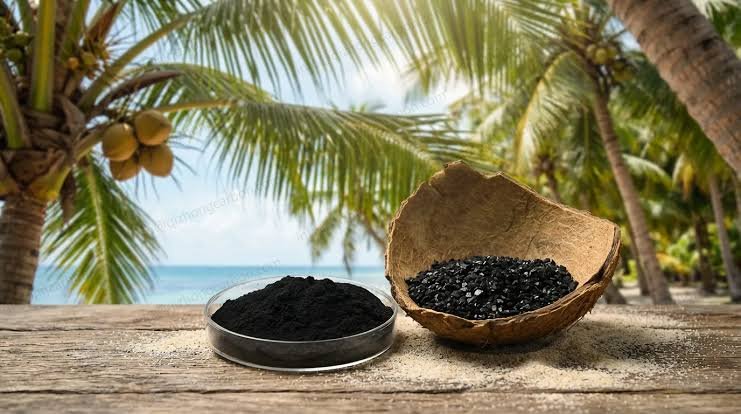
A quality water filtration system works by targeting specific compounds responsible for undesirable taste, odor, sediment, or certain contaminants. Depending on household needs, this may involve activated carbon filters, reverse osmosis systems, sediment filters, ultraviolet purification, or multiple technologies working together.
Choosing the right solution begins with understanding your water rather than guessing.
Some households only need improved drinking water at the kitchen sink. Others benefit from whole-house filtration that treats every faucet, shower, and appliance throughout the property.
Matching the system to your actual water profile usually provides the best long-term results.
Small Improvements Make a Big Difference
People often expect dramatic changes after installing a filtration system, but many of the biggest benefits are surprisingly subtle.
Morning coffee develops a cleaner flavor. Ice cubes no longer carry unwanted odors. Tea tastes smoother. Cooking pasta, rice, and vegetables feels more satisfying because the water itself contributes less interference.
Even something as simple as filling a reusable bottle before leaving for work becomes a more pleasant experience.
These aren’t life-changing moments individually, yet together they create a noticeable improvement in everyday living.
Sometimes comfort comes from eliminating small frustrations that quietly repeat themselves every day.
Don’t Forget About Your Plumbing
Water quality isn’t determined solely by the municipal supply.
Your home’s plumbing plays an important role as well. Older galvanized pipes, corroded fixtures, aging water heaters, and neglected filter cartridges can all influence what eventually reaches your glass.
Routine maintenance helps preserve water quality while protecting expensive appliances and plumbing systems.
If unusual tastes appear suddenly after years of consistent water, checking household plumbing may be just as important as evaluating the incoming water supply.
A licensed professional can often identify problems before they become expensive repairs.
Better Water Starts with Better Information
Rather than relying on assumptions, many homeowners choose to have their water professionally tested before investing in treatment equipment.
Testing identifies specific characteristics unique to your home, allowing filtration systems to address actual conditions instead of generalized concerns.
That approach often saves money while delivering more satisfying results.
Instead of purchasing equipment based on advertising claims, homeowners gain confidence knowing their treatment solution directly matches their water’s needs.
It’s a practical decision that pays dividends for years.
Final Thoughts
Water quietly influences almost everything we do at home, from preparing meals to staying hydrated and maintaining household appliances. While municipal systems provide safe drinking water for most communities, personal preferences regarding taste, odor, and overall drinking experience naturally vary from one household to another.
The good news is that improving water quality doesn’t always require complicated solutions. Understanding how your local water is treated, recognizing changes in flavor or smell, and choosing filtration based on accurate information can dramatically improve everyday comfort.
Sometimes the best home upgrades aren’t the ones everyone notices immediately. They’re the quiet improvements that become part of daily life—like turning on the faucet, filling a glass, and enjoying water that tastes fresh, clean, and exactly the way you hoped it would.