A home’s outside features do more work than most people give them credit for. We notice the roof when it leaks, the paint when it fades, and the gutters when they overflow. But the smaller pieces around the edges of the roofline and walls often get ignored until something looks warped, stained, cracked, or rotten.
That’s the thing about exterior home care. The most important parts are not always the most obvious. A clean roofline, solid trim, and properly sealed edges can make a property look sharper, yes, but they also help protect it from weather, pests, moisture, and slow structural wear. It’s not glamorous work. Still, it matters.
Why the Roofline Needs Attention
The area where your roof meets the outer walls is easy to overlook. Yet this is one of the places where wind, rain, heat, cold, and insects can cause trouble over time. Well-maintained soffit and fascia help support ventilation, protect roof edges, and give the home a neat finished appearance.
The soffit sits under the roof overhang, while the fascia runs along the edge where gutters are often attached. If either one becomes damaged, loose, or rotten, problems can spread. Poor ventilation can trap moisture in the attic. Weak fascia can affect gutter performance. Gaps may invite birds, insects, or small pests.
Related readingWhy a Well-Maintained Gutter System Can Save Your Home Thousands in Repairs
A quick visual check now and then can help. Peeling paint, soft spots, sagging sections, or stains near the gutters are all signs worth taking seriously.
Trim Is More Than Decoration
Good exterior trim gives a home its shape and character. It frames windows, doors, corners, roof edges, and other architectural details. But it does more than make the house look finished. Trim also helps cover joints, seal vulnerable areas, and protect transitions between materials.
When trim starts cracking, pulling away, or holding moisture, the issue is not just cosmetic. Water can sneak behind it. Paint may bubble. Wood can soften. Gaps may widen through seasonal expansion and contraction. What begins as a small visual flaw can become a repair job if ignored too long.
Related readingFinding the Right Water Treatment System for a Healthier and More Comfortable Home
Replacing or repairing damaged trim can freshen the whole exterior. Sometimes one neat repair makes the rest of the house look better, almost like putting a clean frame around a picture.
Stopping Moisture Before It Spreads
One of the biggest reasons to maintain exterior details is water damage prevention. Rainwater does not need a large opening to cause problems. A tiny gap, a cracked board, a failed seal, or a loose gutter connection can give moisture enough room to creep in.
Once water gets behind exterior surfaces, it can quietly cause rot, mould, staining, insulation problems, and even structural damage in serious cases. The frustrating part is that homeowners often notice the damage only after it has been building for a while.
Preventive care is usually much cheaper than major restoration. Keeping trim sealed, gutters secure, fascia strong, and roofline details in good condition helps direct water where it belongs: away from the house.
Related readingGood Water Quietly Protects the Home You’ve Worked Hard For
Small Exterior Repairs Protect Bigger Investments
Your home’s exterior acts like a shield. Every board, panel, vent, seal, and edge has a job. When one part fails, nearby areas may start taking extra stress. A loose fascia board can affect the gutter. Damaged trim can expose wall materials. Poor soffit ventilation can contribute to attic moisture.
This is why small exterior repairs are worth doing early. They may not feel urgent on a sunny day, but weather has a way of testing every weak point. A storm, heavy rain, or long humid season can turn a minor issue into something far more expensive.
Keeping up with these repairs also helps preserve kerb appeal. A home that looks cared for from the outside often feels better maintained overall.
Related readingWhen Tap Water Feels Off, Your Home May Be Asking for Better Filtration
When to Call a Professional
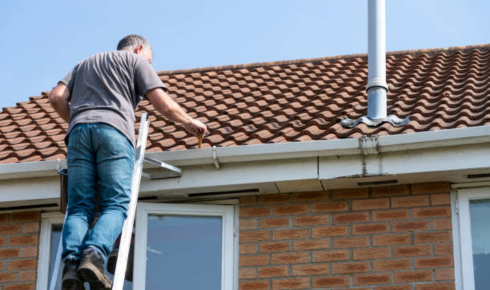
Some exterior jobs are easy to underestimate. Working near rooflines, gutters, and upper walls can be risky without the right equipment. It can also be difficult to know whether damage is only surface-level or whether moisture has travelled behind the visible material.
A reliable professional can inspect the area properly, identify the cause of the problem, and recommend practical repairs. They can match materials, secure loose sections, replace rotten parts, seal gaps, and make sure the finished work blends with the rest of the home.
Good exterior repair is not just about covering damage. It is about restoring protection.
Final Thoughts
The outside of a home does not need constant attention, but it does need regular care. Roofline details, trim, and moisture protection may seem like small things, yet they play a real role in keeping your property strong, dry, and attractive.
Related readingHow UV Disinfection Light Can Help Protect Your Home’s Water
A little maintenance today can prevent a much bigger repair tomorrow. And there’s something reassuring about looking at your home and knowing the edges, corners, and hidden details are doing their job quietly in the background.