Most of us do not think about tap water until it starts acting strange. A glass looks a little cloudy. The shower smells faintly sharp. The sink has grit at the bottom after the faucet runs. Or maybe the water is clear, but it just doesn’t feel fresh somehow.
That is the thing about household water. It does not always announce problems loudly. Sometimes it whispers through small signs — spots on dishes, dry skin, strange taste, cloudy ice, or a filter that clogs faster than expected. At first, these issues seem minor. But when they show up every day, they become part of how the home feels.
Good water should feel easy. You should be able to drink it, cook with it, wash in it, and trust it without second-guessing every tap. When that confidence is missing, it may be time to look closer at what is actually moving through the plumbing.
Related readingGood Water Quietly Protects the Home You’ve Worked Hard For
Small Particles Can Create Big Annoyance
One common issue in home water is sediment. It can come from sand, silt, clay, rust flakes, old pipes, well systems, or disturbances in the local water supply. Sometimes it is visible as tiny grains in the sink or bathtub. Other times, it is fine enough to make the water look dull or cloudy.
Sediment is not just a visual problem. It can clog faucet aerators, showerheads, washing machine screens, and filters. It may reduce water pressure over time or make appliances work harder than they should. In homes with private wells, sediment can also point to a well issue, especially if it appears after heavy rain or suddenly gets worse.
A proper filter can help, but the type matters. Large particles may need a spin-down filter. Finer particles may require cartridge filtration or a backwashing system. If sediment is heavy or constant, the well or plumbing may need inspection too.
Why Water Sometimes Feels Harsh
Some homeowners describe their water as “hard,” “sharp,” “drying,” or just unpleasant on the skin. This can come from several sources. Hardness minerals may make soap difficult to rinse away. Chlorine or other treatment chemicals may affect smell and feel. High dissolved solids can leave water tasting flat or heavy.
Related readingCleaner Water at Home: Choosing the Right Filtration and Softening Solution
That slight chemical feel is especially noticeable in showers. Warm water releases odors more easily, so a smell that is mild at the kitchen sink may feel stronger in the bathroom. People may notice dry skin, rough-feeling hair, or towels that never seem soft after washing.
This does not always mean the water is unsafe. But comfort matters too. Water touches your body, clothes, dishes, and home every day. If it constantly feels unpleasant, it is worth testing rather than simply living with it.
Testing Removes the Guesswork
The tricky part is that different water problems can look alike. Cloudy water might be air bubbles, sediment, hardness minerals, or something else. A bad taste may come from chlorine, iron, sulfur, dissolved minerals, or old plumbing. Stains may point toward iron, manganese, hardness, or corrosion.
Testing helps separate symptoms from causes. A basic water check may look at hardness, pH, chlorine, iron, manganese, total dissolved solids, sediment, and odor concerns. More advanced lab testing may be recommended for bacteria, nitrates, lead, arsenic, or other health-related contaminants.
Related readingFinding the Right Water Treatment System for a Healthier and More Comfortable Home
Without testing, homeowners often buy equipment based on guesses. That can lead to wasted money and disappointment. A filter that improves taste may not solve scale. A softener may not remove particles. A sediment filter may not fix odor. The water needs to be understood before it can be treated properly.
Water Quality Affects the Whole House
People often think about water quality only in terms of drinking water, but it affects much more than a glass at the kitchen sink. It affects laundry, showers, cooking, cleaning, water heaters, dishwashers, ice makers, coffee machines, and plumbing fixtures.
Poor water quality can leave stains, scale, cloudy dishes, unpleasant odors, and buildup inside appliances. Over time, hardness can reduce water heater efficiency. Sediment can clog valves and screens. Iron can stain toilets and tubs. Chlorine taste or odor can make even safe water less enjoyable to drink.
Better water can quietly improve the whole rhythm of the home. Showers feel fresher. Coffee tastes cleaner. Dishes look better. Fixtures need less scrubbing. Laundry feels nicer. None of this is flashy, but it is noticeable.
Related readingA Simple Change at the Tap Can Make Home Life Feel Cleaner
Whole-Home Filtration vs. One-Tap Solutions
A small under-sink filter can be useful, especially if the main goal is better drinking water. But if the problem shows up throughout the house, a single faucet filter may not be enough.
Whole-home filtration treats water where it enters the home. This can help protect plumbing, appliances, showers, laundry, and fixtures. Depending on the water test, the system may include sediment filtration, carbon filtration, softening, iron treatment, sulfur treatment, or a combination of several stages.
A point-of-use system, such as reverse osmosis, may still be helpful for drinking and cooking water. Many homes benefit from both: whole-home treatment for general water improvement and a dedicated system at the kitchen tap for extra-polished drinking water.
Related readingCleaner Water Starts With the Right Filtration Approach
Private Wells Need Special Attention
Homes with private wells need regular testing because the homeowner is usually responsible for the water. Well water can change due to weather, groundwater shifts, nearby construction, flooding, drought, or well repairs.
If sediment appears after storms, if water smells different, or if clarity changes suddenly, that is worth investigating. Annual testing for bacteria and basic water chemistry is a smart habit. More detailed testing may be needed depending on local conditions.
A private well can provide excellent water, but it needs care. Regular checks make it easier to catch problems before they become expensive or uncomfortable.
Choosing the Right Filtration Plan
The best water treatment system is not always the biggest or most expensive one. It is the one that matches the actual problem.
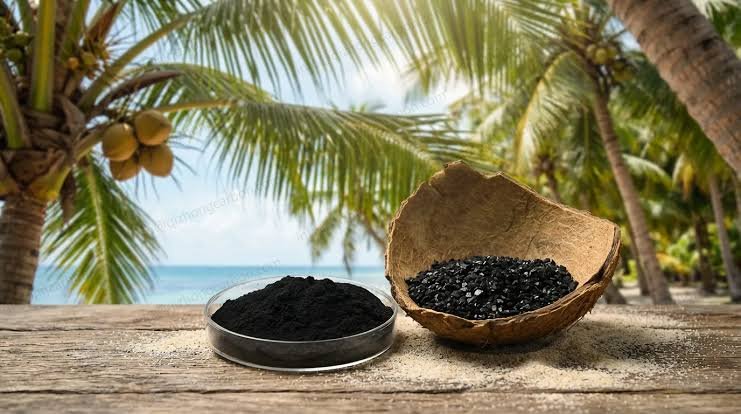
If sediment is the main issue, filtration should focus on particles. If chlorine taste or odor is the concern, carbon may help. If hardness is creating scale, softening or conditioning may be needed. If drinking water needs improvement, reverse osmosis or another point-of-use system may be suitable. If bacteria are present, disinfection may be required.
A good water professional should explain the results clearly and recommend equipment based on evidence, not pressure. Homeowners should feel informed before making a decision.
Better Water Should Feel Effortless
When water treatment is done well, you stop thinking about water so much. That is probably the best sign it is working. The shower feels normal again. The glass looks clear. The coffee tastes right. The sink does not collect grit. The fixtures stay cleaner for longer.
Clean, comfortable water is not a luxury in the dramatic sense. It is part of a home that works well. And when the water feels right, everyday routines feel a little smoother.
If your water has been cloudy, gritty, harsh, or strange-tasting, it is worth taking a closer look. Test it, understand it, and choose treatment that fits the real cause. Better water often starts with one simple question: what is actually in it?