Water looks simple. It comes out of the tap, fills a glass, and disappears into the routine of everyday life. Yet chemically, there can be quite a lot going on inside that clear liquid. Depending on where your water comes from, it may carry minerals picked up from soil, rock, pipes, and underground formations along the way.
Some minerals are harmless and naturally occurring. Others can affect taste, plumbing, appliances, and how water behaves when you wash, cook, or shower. That’s why understanding what’s in your household water can be surprisingly useful.
You don’t need to become a chemistry expert, either. A little knowledge—and a basic water test—can tell you a lot.
Related readingUnderstanding Your Water: Why pH, Alkalinity, and Calcium Hardness Matter
Why Minerals End Up in Water
Water is an excellent solvent. As groundwater moves through soil and rock, it can dissolve small amounts of naturally occurring materials. Municipal water can also pick up substances as it travels through treatment systems and distribution networks.
This is one reason water quality varies from place to place.
The amount and type of minerals depend on local geology, the source of the water, treatment processes, and even seasonal conditions in some areas.
Many people don’t notice anything until mineral concentrations become high enough to create visible or practical problems.
Related readingCleaner Water Starts With the Right Filtration Approach
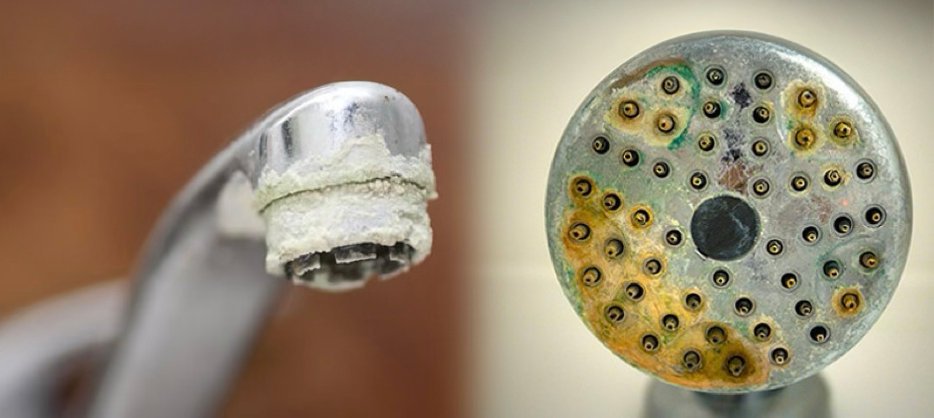
That’s when you may start seeing spots on glassware, deposits around faucets, or a scale-like layer inside water-using appliances.
What Are Dissolved Minerals?
The phrase dissolved minerals sounds complicated, but the basic idea is pretty straightforward. These are mineral substances that have dissolved into water and are present in a form that isn’t necessarily visible to the naked eye.
Common examples include calcium and magnesium, which are strongly associated with water hardness. Other dissolved substances can include sodium, potassium, iron, manganese, and various naturally occurring compounds.
Because these minerals are dissolved, you usually can’t identify them just by looking at a glass of water.
Related readingGood Water Quietly Protects the Home You’ve Worked Hard For
A water test is therefore much more useful than appearance alone. Clear water isn’t necessarily mineral-free, and cloudy water isn’t automatically unsafe. Appearance tells only a small part of the story.
Calcium and the Hard Water Problem
Calcium is a naturally occurring mineral and an important contributor to water hardness. When water contains higher levels of calcium, it can leave mineral deposits on surfaces and inside plumbing.
You’ve probably seen the results even if you didn’t know what caused them. That white crust around the faucet? Often related to mineral buildup. The cloudy marks on glassware? Same general story.
Calcium deposits can become especially noticeable when water is heated. Water heaters, coffee machines, dishwashers, and other appliances may gradually accumulate scale.
Related readingCleaner Water at Home: Choosing the Right Filtration and Softening Solution
For many households, this isn’t an immediate health concern. It’s more of a maintenance issue. But over time, heavy scale can affect equipment performance and efficiency.
Magnesium Plays a Role Too
Another major contributor to hardness is magnesium.
Like calcium, magnesium occurs naturally in groundwater and can become dissolved as water moves through mineral-rich rock formations. Together, calcium and magnesium are largely responsible for what we call hard water.
You may notice the effects in everyday chores. Soap can be harder to rinse away. Laundry may feel less soft. Shower surfaces can develop deposits, and appliances may accumulate scale.
Related readingUnderstanding Water Chemistry and Protecting Your Home’s Plumbing
The exact impact depends on the concentration. Some homes have mildly hard water that causes only occasional annoyance, while others deal with significant mineral buildup.
How Hard Water Affects Your Home
Hard water isn’t usually something that suddenly destroys a house. Its effects tend to be gradual.
Minerals can accumulate inside water heaters, pipes, showerheads, faucets, and appliances. Over time, that buildup can restrict flow or reduce heating efficiency.
You might also use more soap or cleaning products because hard water changes how they interact with surfaces.
And then there’s the cosmetic side. Water spots on dishes and glass shower doors aren’t exactly dangerous, but they can be irritating. Nobody enjoys wiping down the same faucet every other day.
Managing hardness can therefore be as much about convenience and maintenance as anything else.
Can a Water Softener Help?
For homes where hardness is the primary concern, a water softener can be an effective option.
Traditional salt-based softeners use an ion-exchange process to reduce calcium and magnesium from the household water supply. The result is softer water with less tendency to form scale.
However, a softener isn’t designed to solve every water-quality problem. It shouldn’t be treated as a universal filtration system.
If your water also contains iron, sediment, chlorine, or another contaminant, additional treatment may be needed.
That’s why testing first makes sense. You want to know exactly what you’re treating before choosing equipment.
What About Drinking Water?
This is where things can become a little more nuanced.
Naturally occurring minerals aren’t automatically a reason to avoid drinking tap water. In many cases, minerals such as calcium and magnesium are simply part of the water’s composition.
However, drinking-water quality depends on the complete chemical profile, not one or two minerals.
If you’re concerned about what’s in your water, have it tested by an appropriate laboratory or qualified professional. Depending on the source, additional testing may be recommended for substances that aren’t visible or noticeable by taste.
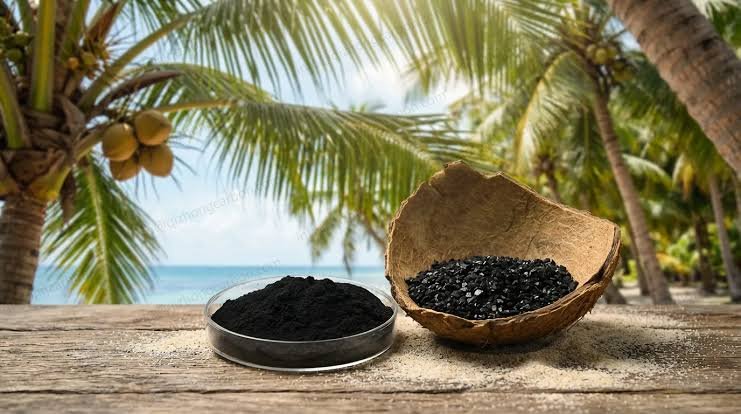
For homeowners who want additional treatment for drinking water, options can include carbon filtration, reverse osmosis, or other technologies depending on the test results.
Testing Gives You the Bigger Picture
A water test is often the simplest way to move from guesswork to useful information.
Testing can help determine hardness and identify other characteristics that may influence treatment decisions. This is particularly important for private well owners because groundwater chemistry can vary significantly.
Don’t choose equipment solely because a salesperson says it’s powerful or because an online review calls it the “best.”
Ask what the system removes, what it doesn’t remove, how often it needs maintenance, and whether its capacity matches your household.
Those questions may save you a surprising amount of money.
Think About Long-Term Maintenance
If you install treatment equipment, remember that maintenance is part of the deal.
Filters need replacement. Softener systems need appropriate servicing. Components eventually wear out.
Ignoring maintenance can reduce performance and may cause you to think the equipment isn’t working when the real issue is simply an overdue filter or service.
Keep a basic schedule. Set reminders on your phone if necessary. It’s not glamorous, but it works.
A Clearer Understanding Leads to Better Water Decisions
Minerals are a natural part of the water cycle, and their presence isn’t automatically a problem. The real question is how much is present and whether it creates a concern for your household.
Start with testing. Understand your water’s mineral content. Look at how it affects plumbing, appliances, cleaning, and drinking-water preferences.
If hardness is causing trouble, softening may be appropriate. If other substances are present, targeted filtration could make more sense.
The goal isn’t to remove everything from water simply because you can. It’s to treat what actually needs treating.
Once you understand what’s happening beneath the surface, choosing the right water solution becomes a lot less mysterious—and a whole lot more practical.