Most of us don’t think much about household water until something goes wrong. A glass comes out of the dishwasher covered in spots, the shower screen develops another layer of white residue, or the water softener runs out of salt at the worst possible time. None of these things is a disaster on its own, but when they keep happening, they become one more chore on an already crowded to-do list.
The good news is that water problems don’t always require complicated solutions. A little understanding of your water supply, the right equipment, and a realistic maintenance routine can make a noticeable difference. The trick is to focus on what your household actually needs instead of buying a system simply because it sounds impressive.
Start by Understanding Your Water
Water quality varies from one home to another. Local geology, municipal treatment, private wells, and household plumbing can all influence what comes out of a tap. Some homes struggle mainly with hardness, while others experience sediment, unusual tastes, staining, or specific contaminants that require more targeted attention.
Related readingCleaner Water Starts With the Right Filtration Approach
It helps to begin with the symptoms you notice. White deposits around faucets may indicate mineral buildup. Orange staining can sometimes be associated with iron, while an unusual odour may have several possible causes. These clues are useful, but they don’t tell the whole story. Clear water can still contain substances that aren’t visible.
Testing gives you a better starting point. Depending on the water source and local conditions, an appropriate analysis may check hardness, pH, iron, dissolved solids, bacteria, or particular contaminants. Municipal customers can review their water utility’s quality report, while private-well owners should follow local guidance for routine testing.
Once you know what’s present, you can choose a treatment method with greater confidence. That step may seem small, but it can prevent you from spending money on equipment that doesn’t address the real issue.
Related readingHow UV Disinfection Light Can Help Protect Your Home’s Water
When Treating Water Throughout the Home Makes Sense
Some water concerns affect more than the kitchen tap. Mineral deposits may develop in several bathrooms, sediment may appear at different fixtures, or particular characteristics of the incoming water may affect appliances throughout the property. In these situations, treating water as it enters the home may be worth considering.
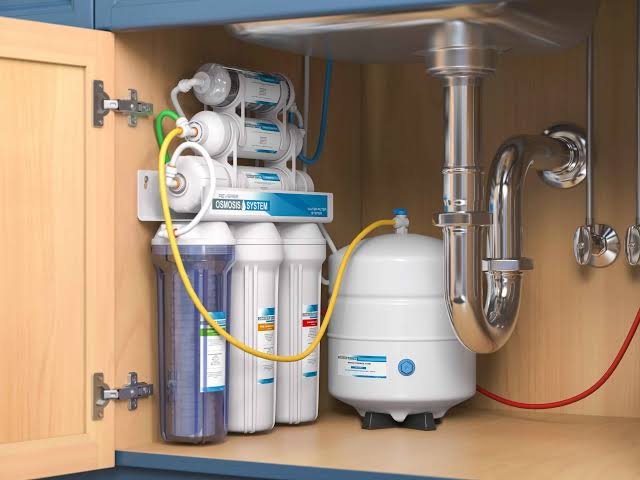
A whole-house filtration system treats incoming water before it travels to taps, showers, washing machines, and other connected fixtures. Depending on the test results, the setup might include a sediment filter, a carbon filter, or other treatment components designed for a specific purpose.
The important part is choosing the right technology. A sediment filter can capture particles, while certain carbon filters can reduce particular tastes and odours. Neither should be assumed to remove every dissolved contaminant or make microbiologically unsafe water safe to drink. If testing identifies a health-related concern, the system must be specifically suited to that contaminant.
Household water demand matters, too. A system that works well in a small home may not provide sufficient flow when several showers, taps, and appliances operate at once. Ask about flow rate, pressure changes, installation requirements, and replacement schedules before committing.
Related readingCleaner Water at Home: Choosing the Right Filtration and Softening Solution
A good provider should be able to explain why each component is recommended. If the answer is simply that the most expensive package offers the most protection, ask for more detail. Water treatment should be based on evidence, not guesswork.
Why Testing Before Buying Can Save Money
It can be tempting to skip the testing stage and buy a filter based on a neighbour’s recommendation or an online review. Sometimes that works out. Often, though, two homes in the same neighbourhood have different plumbing, water sources, or treatment needs.
Many homeowners begin with free water testing offers because they want to understand their water without making a large initial commitment. These offers can be useful, provided you know what the test includes. Some are basic screenings for hardness or chlorine, while a more detailed analysis may require a certified laboratory and a fee.
Before arranging a test, ask which substances will be measured, whether the results will be provided in writing, and whether the testing method is appropriate for your water source. If a representative conducts a quick demonstration, treat it as preliminary information rather than a complete assessment of drinking-water safety.
Related readingWhy Professional Water System Service Matters Long After Installation
Independent testing can be particularly important when you suspect bacteria, nitrates, lead, or another potentially harmful contaminant. A basic demonstration may not detect these concerns. In those circumstances, use a qualified laboratory and follow recommendations from your local health department or water authority.
The aim isn’t to test everything imaginable. It’s to test for the issues that are relevant to your household, then use those results to guide a sensible decision.
Keep Water Softeners Running Without the Last-Minute Rush
For homes with hard water, a softener can make cleaning easier and help reduce mineral scale inside plumbing and appliances. However, conventional ion-exchange softeners need regeneration materials to maintain their treatment capacity. If the salt supply runs out, the system may no longer soften water as intended.
Related readingWhat Your Water Test Results Can Reveal About the Health of Your Home
This is where routine planning helps. Check the brine tank periodically and follow the manufacturer’s instructions for the correct type and amount of salt. Avoid filling it blindly to the top, since different systems have different requirements and excessive filling can create its own maintenance problems.
For busy households, a salt delivery service can make ongoing care less of a hassle. Scheduled deliveries may help prevent shortages, particularly when a softener treats water for a large family or operates in an area with high hardness levels. Before signing up, check delivery frequency, minimum order quantities, pricing, and whether the service can accommodate changes in seasonal use.
Salt isn’t the only thing worth checking. A softener may also need periodic cleaning, inspection, or servicing. If you notice that scale is returning despite regular salt replenishment, don’t assume you simply need more salt. The system settings, resin condition, or incoming water characteristics may need attention.
Maintenance Is Easier When You Have a Routine
Even a well-chosen system needs regular care. Filters gradually collect particles, cartridges reach the end of their useful life, and some treatment units require professional inspection. Delaying maintenance can reduce performance and make it harder to identify the cause of a problem later.
A simple maintenance record is often enough. Write down the installation date, filter replacement dates, service visits, and any changes you’ve noticed in the water. Calendar reminders can help, too, especially for tasks that only come around every few months.
Pay attention to sudden changes in colour, taste, smell, or water pressure. They don’t always point to a treatment-system failure, but they deserve investigation. If contamination is suspected, arrange appropriate testing rather than relying on the existing filter alone.
Choose Support That Fits Your Household
Water treatment should make daily life more comfortable, not leave you managing a collection of confusing products. Look for a provider who takes time to understand your concerns, explains the recommended equipment clearly, and gives you a realistic picture of installation and ongoing costs.
Ask what the system is designed to reduce, how its performance is verified, and which maintenance tasks you’ll need to handle. Independent certifications can help you assess claims about particular contaminants. A trustworthy professional should welcome these questions rather than pressure you into making an immediate purchase.
Ultimately, better water care comes down to a few sensible habits: understand your supply, test when appropriate, choose equipment for the problem at hand, and keep up with maintenance. With the right approach, you can avoid unnecessary expenses and make water treatment one less thing to worry about in everyday life.