Most people don’t spend much time thinking about their water system. It sits somewhere out of sight — maybe in the basement, garage, utility closet, or mechanical room — quietly doing its job. As long as the water tastes fine, the shower feels normal, and the dishwasher isn’t leaving cloudy marks on glasses, it’s easy to forget the system even exists.
But water treatment equipment is a bit like a car, or a heating system, or even a good coffee machine. It works best when it gets regular attention. Leave it alone for too long, and small issues can begin to creep in. A filter gets clogged. Salt runs low. A valve sticks. Pressure drops. Water that once felt clean and fresh starts to feel slightly off.
Nothing dramatic at first. Just enough to make you wonder, “Was the water always like this?”
Related readingWhy Professional Water System Service Matters Long After Installation
Good Water Doesn’t Happen by Accident
Clean, comfortable water depends on more than the equipment itself. The system has to be correctly installed, properly sized, and cared for over time. A great filter or softener can only do so much if nobody checks it, services it, or replaces parts when needed.
That’s where preventive maintenance becomes so important. Instead of waiting for the water to taste strange, pressure to fall, or appliances to show signs of scale, preventive care helps catch problems before they become expensive or inconvenient. It is the quieter, smarter way to protect both the system and the home.
And honestly, it makes life easier. Nobody wants to discover a water issue right before guests arrive, during a busy work week, or when a business depends on water for daily operations.
The Small Signs People Often Miss
Water system problems do not always announce themselves loudly. Sometimes the signs are subtle, almost boring. A glass that looks a little cloudy. A faucet with more buildup than usual. Laundry that feels rougher. A shower that leaves skin dry. Ice cubes that taste faintly odd.
Related readingGood Water Quietly Protects the Home You’ve Worked Hard For
In homes, these changes can affect comfort. In businesses, they can affect customer experience, equipment, cleaning routines, and even operating costs. Restaurants, offices, hotels, clinics, gyms, and manufacturing spaces all rely on water in different ways. Poor water quality can quietly create frustration before anyone connects the dots.
Routine checks help make those dots easier to see. A technician can test the water, inspect the equipment, and spot early signs of wear or reduced efficiency. That kind of attention saves guesswork.
Filters, Softeners, and Systems Need Care
Every water treatment system has its own needs. A drinking water filter may need cartridge changes. A reverse osmosis system may need membrane replacement. A softener may need salt refills and brine tank checks. A UV system needs lamp changes. Whole-house filtration units may need media inspections or scheduled servicing.
Related readingCleaner Water at Home: Choosing the Right Filtration and Softening Solution
Skipping these steps can affect system performance over time. The equipment may still appear to run, but it may not be treating water as effectively as it should. Flow can slow down. Filtration can weaken. Mineral buildup can return. In some cases, the system may work harder than necessary, which can shorten its lifespan.
This is why maintenance is not just about fixing problems. It is about keeping the system close to its best condition for as long as possible.
Why Water Quality Can Change Over Time
One reason maintenance matters is that water itself can change. Municipal water sources may adjust treatment levels. Seasonal shifts can affect sediment. Well water can vary after heavy rain, drought, or changes underground. Even plumbing inside the property can influence what comes out of the tap.
A system that worked perfectly a few years ago may need adjustments today. Maybe the household has grown. Maybe a business is using more water than before. Maybe filters are clogging faster because the incoming water has changed.
Related readingWhen Tap Water Feels Off, Your Home May Be Asking for Better Filtration
Regular service helps keep the treatment plan aligned with real conditions. It’s not about doing unnecessary work. It’s about making sure the equipment still matches the water it is treating.
Protecting Appliances and Daily Comfort
Better water does not only matter when someone fills a drinking glass. It moves through water heaters, washing machines, dishwashers, coffee makers, ice machines, showerheads, faucets, and plumbing lines. When the water is not properly treated, buildup and residue can slowly affect these parts of the home or business.
Hard water can leave scale. Sediment can clog fixtures. Poor filtration can affect taste and smell. Over time, these problems can lead to more cleaning, more repairs, and more annoyance.
Related readingWhat Your Water Test Results Can Reveal About the Health of Your Home
Consistent care helps support reliable water quality, which means fewer surprises in everyday routines. Showers feel better. Dishes look cleaner. Beverages taste more consistent. Equipment has a better chance of doing its job without unnecessary strain.
Professional Service Brings Peace of Mind
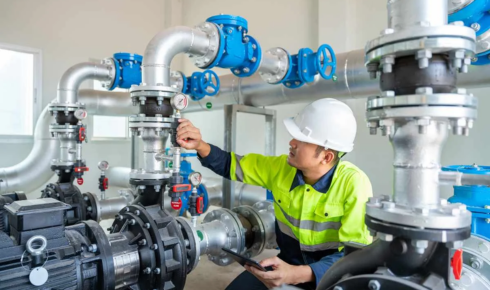
Some basic tasks can be handled by homeowners, especially things like checking salt levels or replacing simple filters. But many systems benefit from professional service. Trained technicians know what to look for. They can test water, inspect pressure, check connections, replace worn parts, and make sure the system is working safely.
They can also explain things in plain language. That matters. Water treatment can sound technical very quickly, and most people don’t want a lecture full of confusing terms. They just want to know what’s working, what needs attention, and what should happen next.
A good service visit should leave you feeling clearer, not more confused.
A Simple Habit With Long-Term Value
Maintaining a water system may not feel exciting. It won’t change the look of your kitchen or give you something shiny to show off. But it does something more practical. It protects the quality of water you use every single day.
That matters more than people think.
Good water touches nearly everything — cooking, cleaning, bathing, laundry, drinks, appliances, and comfort. When a system is cared for properly, all those small daily moments become easier and more dependable.
So, if your water treatment system has been ignored for a while, it may be time to give it a little attention. Not because something has gone wrong, necessarily. But because steady care is often what keeps things from going wrong in the first place.
Better water is not only about having the right equipment. It is about looking after it, patiently and consistently, so it keeps doing what it was meant to do.