Most people don’t think much about the water in their home until it gives them a reason to. A strange smell from the kitchen tap. White spots on clean glasses. Coffee that tastes oddly flat. A faint metallic flavour that wasn’t there before. These little things seem easy to ignore at first, especially when life is already busy enough.
But water has a way of showing up everywhere. It’s in your morning tea, the soup simmering on the stove, the shower after work, the laundry, the ice cubes, even the steam rising from the kettle. So when something changes, it’s worth paying attention. Not with panic, of course, but with a practical kind of curiosity.
Clean water isn’t just about being clear. Plenty of water looks fine and still carries minerals, chemicals, sediment, or other unwanted substances. That’s the part many homeowners miss.
Related readingCleaner Water at Home: Choosing the Right Filtration and Softening Solution
Clear Water Doesn’t Always Mean Problem-Free Water
A glass of water can sparkle under the light and still have issues hiding inside it. Some problems are obvious, like brown water after pipe work or grit collecting in the sink. Others are much quieter. Hardness minerals, chlorine taste, dissolved metals, bacteria, nitrates, and other concerns may not always change the appearance of water.
That’s why guessing can be risky. Maybe the smell is coming from the water heater. Maybe stains are caused by iron. Maybe the old pipes are adding something unpleasant along the way. Or maybe the issue is harmless but annoying. Without facts, it’s all a bit of a guessing game.
And honestly, most people don’t want to become water experts just to fill a glass at home. They just want water that tastes clean, feels fresh, and doesn’t leave mystery marks around the sink.
Related readingGood Water Quietly Protects the Home You’ve Worked Hard For
Small Signs Around the Home Matter
The home usually gives hints before a water problem becomes obvious. White chalky buildup on taps may suggest hard water. Orange stains can point toward iron. Black marks around fixtures may be linked to manganese. A rotten-egg smell may involve sulfur compounds. Cloudiness can sometimes be air bubbles, but it may also come from fine particles.
Taste is another clue. Water that suddenly tastes salty, bitter, metallic, or earthy should not be brushed aside. It may not mean something dangerous, but it does mean something has changed.
Even appliances can tell a story. A dishwasher that leaves spots, a kettle that scales up quickly, or a water heater that struggles over time may all be reacting to what’s flowing through the system every day.
Related readingCleaner Water Starts With the Right Filtration Approach
Why Testing Should Come Before Buying a Filter
Before choosing equipment, water testing gives homeowners a clearer idea of what they’re dealing with. It can check for things like hardness, pH, iron, manganese, bacteria, chlorine, lead, nitrates, and total dissolved solids, depending on the type of test and the water source.
This step is especially important for private well owners, because they are usually responsible for monitoring their own supply. Groundwater can change because of heavy rainfall, nearby septic systems, agricultural activity, old well parts, or seasonal shifts. City water users may also benefit from checking their home’s supply, particularly if the plumbing is older or the taste has changed recently.
Testing doesn’t have to feel complicated. Think of it like checking the oil in a car. It’s not glamorous, but it helps prevent bigger trouble later.
Choosing the Right Solution for the Real Problem
Once the results are clear, choosing a treatment system becomes much easier. A sediment filter may help with sand, rust, or visible particles. A softener can reduce hardness minerals. Carbon filtration may improve taste and reduce certain odors or chemicals. UV treatment may be used when microbial concerns are present.
Related readingWhy Investing in Better Drinking Water Is One of the Smartest Home Decisions You Can Make
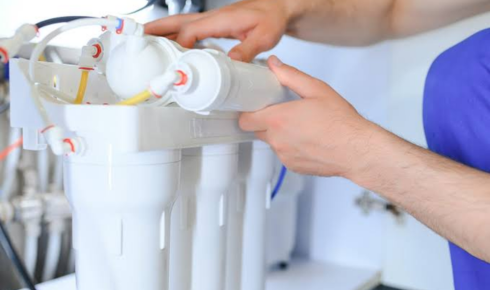
For kitchen drinking water, reverse osmosis is often considered when homeowners want a system that can reduce a wide range of dissolved substances. It’s commonly installed under the sink and used for drinking, cooking, and ice. Still, it is not always necessary for every home. It works best when the water conditions actually call for it, and like any system, it needs proper maintenance.
This is where a measured approach helps. Not every home needs the biggest setup. Sometimes a targeted solution at one tap is enough. Other times, the whole house needs attention.
Whole-Home Water Versus Drinking Water Only
Some water problems affect only the water you drink. Others affect the entire home. If the issue is taste at the kitchen sink, a point-of-use system may do the job nicely. But if the problem shows up in showers, laundry, toilets, dishwashers, and water heaters, then treating one tap won’t solve the bigger issue.
Hard water is a good example. It doesn’t just affect drinking. It leaves spots on dishes, builds up inside appliances, makes soap feel less effective, and can leave skin feeling dry. Iron and manganese can stain fixtures and laundry. Odors may travel through multiple taps.
Related readingWhen Tap Water Feels Off, Your Home May Be Asking for Better Filtration
A good plan looks at the whole pattern, not just one symptom.
Removal Isn’t One-Size-Fits-All
Effective contaminant removal depends on matching the treatment method to the specific concern. This is where marketing can confuse people. A product may say it improves water, but that doesn’t mean it handles every possible issue. A filter designed for chlorine taste may not reduce lead. A softener may not remove bacteria. A sediment cartridge won’t handle dissolved chemicals.
The best results come from choosing equipment based on actual conditions, not broad promises on a box. It may sound less exciting, but it works better. And it saves money.
Maintenance Keeps Good Water Good
Even the right system can fail if it’s forgotten. Filters need changing. Membranes wear down. UV lamps lose strength. Softener salt runs low. Water heaters collect sediment. Over time, performance drops quietly, and homeowners may not notice until the taste, smell, or stains return.
A simple maintenance record helps. Write down service dates, filter changes, and any changes in water taste or appearance. Nothing fancy. A note on your phone is enough.
Confidence Comes From Knowing, Not Guessing
Good water should feel simple. You turn on the tap, fill the glass, and drink without second thoughts. Getting there doesn’t mean overreacting to every little change. It means paying attention, checking what matters, and choosing practical solutions based on facts.
Water is quiet when everything is working well. But when it starts leaving clues, it’s worth listening. A little knowledge can turn uncertainty into confidence — and that first clean, fresh glass of water feels better than people expect.