Most people don’t think about their drinking water until they stop enjoying it. Maybe it tastes a little flat. Maybe there’s a faint chlorine smell. Maybe the kids only drink bottled water because, somehow, the tap water “feels weird.” It sounds small, but water is one of those everyday things that quietly shapes how a home feels.
Good water doesn’t need to be fancy. It just needs to be clean, fresh, and easy to trust. When the water from your tap tastes pleasant, you notice it in ordinary moments: filling a glass after a walk, making coffee in the morning, cooking rice, or putting ice in a drink on a hot afternoon. These are not big luxury moments. They’re just life, made a little better.
Why taste matters more than we admit
Water taste is personal. Some people are sensitive to chlorine. Others notice a mineral taste, a metallic edge, or a stale smell from the fridge dispenser. Even when water looks clear, taste can decide whether a family actually drinks it.
Related readingCleaner Water at Home: Choosing the Right Filtration and Softening Solution
That’s why many homeowners start looking for better tasting water. Not because they are being picky, but because drinking water should feel natural and comfortable. When tap water tastes clean, people usually drink more of it, cook with it more confidently, and stop second-guessing what’s coming out of the faucet.
Bottled water gets expensive fast
Buying bottled water may seem convenient at first. A few cases here and there doesn’t feel like much. But over months and years, the cost adds up quietly. Then there’s the storage, the heavy lifting, the empty bottles, and the regular trips to replace what the household keeps using.
A well-chosen home water filtration system can support real cost savings over time by reducing the need for bottled water. The exact savings depend on household size, water use, and the system selected, but the idea is simple: when good drinking water is available at home, you are less likely to keep paying for it in plastic bottles.
The plastic problem sitting in the kitchen
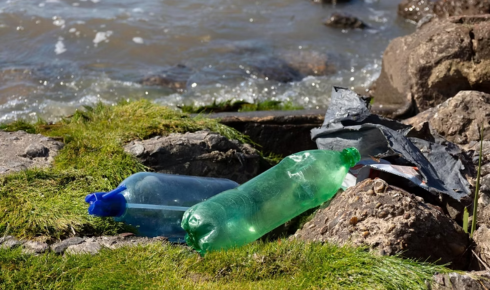
There’s also the environmental side of bottled water. Plastic bottles may be recyclable, but not all of them are recycled. Many still end up in landfills, waterways, or as waste that takes far too long to break down. For families trying to make more responsible choices, drinking water is a surprisingly practical place to start.
Home filtration can encourage eco friendly hydration without making daily life complicated. You fill a reusable bottle, drink from the tap, make coffee, refill the kids’ cups, and move on. No dramatic lifestyle change required. Just fewer single-use bottles coming into the home week after week.
A better option for everyday drinking
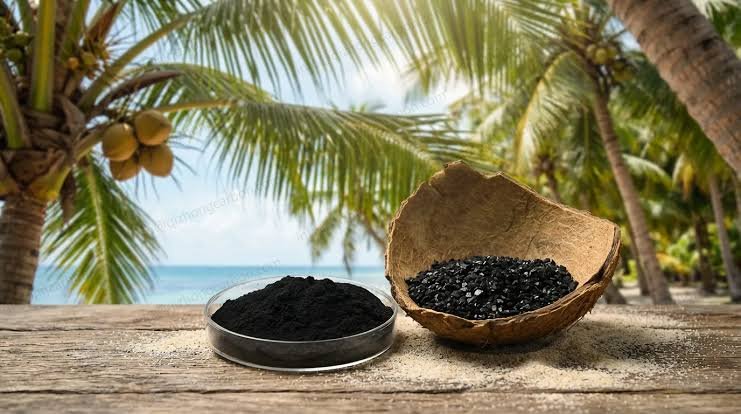
Water filtration is not one-size-fits-all, and that’s important. Some homes need a simple carbon filter for taste and odor. Others may benefit from reverse osmosis for drinking water. Homes with well water or specific concerns may require testing before choosing a system.
Related readingA Better Glass of Water Can Change More Than You Think
The best first step is understanding what is actually in your water. Is the issue taste? Odor? Sediment? Hardness? Dissolved solids? Once you know the answer, it becomes much easier to choose a system that makes sense instead of guessing from a store shelf.
Why convenience matters
One underrated benefit of home-filtered water is convenience. No more running out of bottled water at the worst time. No more stacking cases in the pantry. No more carrying heavy packs from the car. Good water is simply there when you need it.
This matters more than people expect. When healthy choices are easy, families are more likely to stick with them. Kids grab water instead of sugary drinks. Adults refill bottles before leaving the house. Cooking with filtered water becomes automatic. It’s a quiet shift, but a useful one.
Related readingCleaner Water Starts With the Right Filtration Approach
Better water can improve more than drinking
Filtered drinking water can make tea, coffee, soups, and ice taste cleaner. If your water has a strong chlorine taste or odd odor, it can affect recipes without you fully noticing. Once the water improves, familiar drinks sometimes taste brighter and smoother.
It also changes the way people feel about their kitchen. The tap becomes something you trust again. That might sound overly simple, but it’s actually a big deal. A home should not rely on stacks of plastic bottles to provide something as basic as drinking water.
Choosing the right system
Before installing any system, it helps to speak with someone who understands local water conditions and treatment options. A professional can test the water, explain the results in plain language, and recommend a system based on your home’s needs.
Related readingWhy Better Water Filtration Makes Everyday Life Feel a Little Easier
Look for a solution that fits your household size, maintenance comfort, budget, and water quality goals. A system should be useful, not overly complicated. It should make daily life easier, not turn into another thing you have to worry about.
Small changes, lasting benefits
Improving drinking water at home is one of those upgrades that feels modest at first. Then, slowly, it becomes part of the rhythm of the house. The reusable bottles get filled more often. The fridge is less crowded. Grocery trips feel lighter. Coffee tastes better. The kids stop asking for bottled water.
It’s not about perfection. It’s about making a simple daily habit cleaner, cheaper, and more comfortable. And sometimes, that’s exactly the kind of change a home needs.
Related readingWhen Tap Water Feels Off, Your Home May Be Asking for Better Filtration