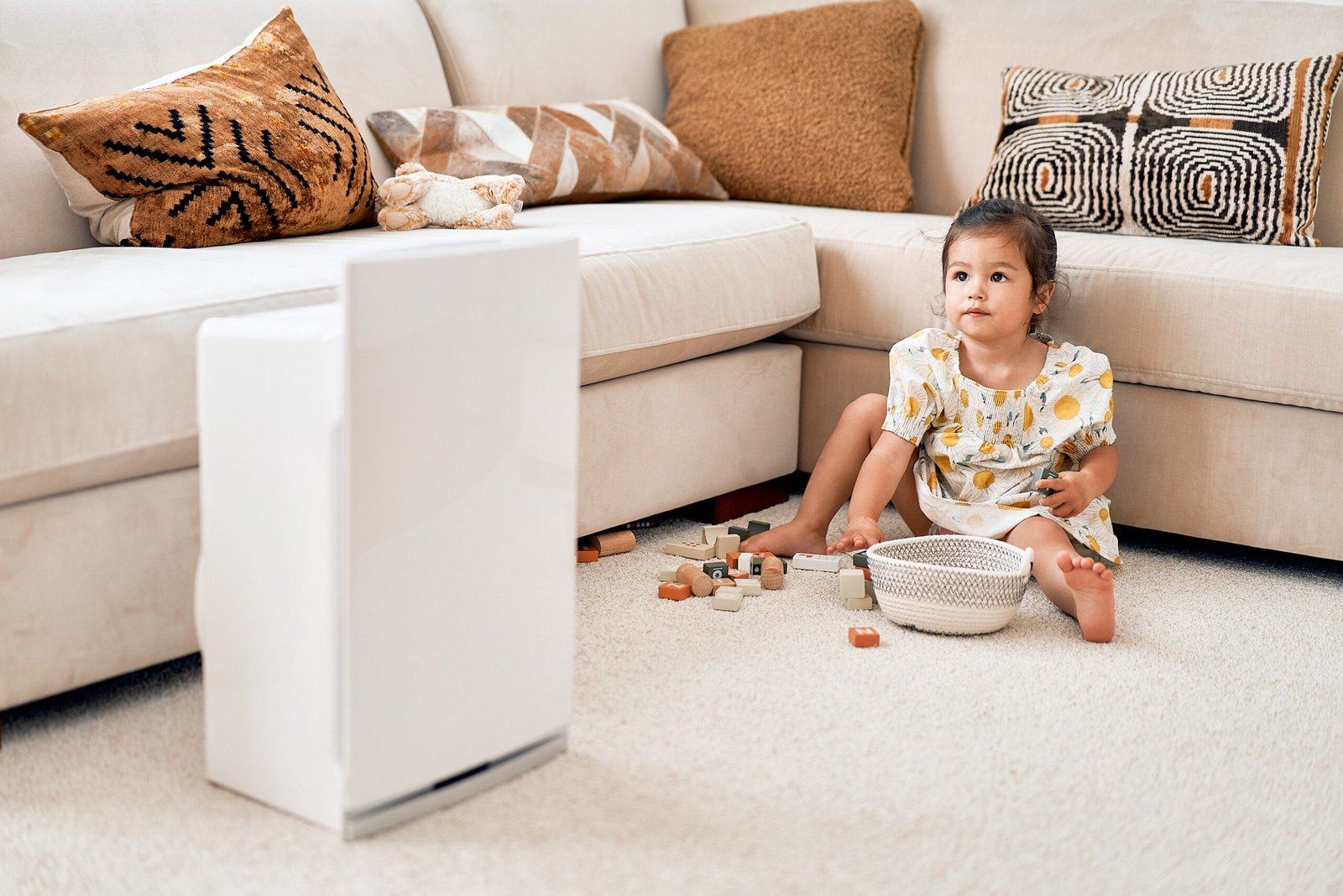
There’s something comforting about walking into your own home after a long day. You expect it to feel safe, peaceful, and healthy. Yet, surprisingly, the air you breathe indoors isn’t always as fresh as it seems. Dust settles quietly in corners, allergens float unnoticed, and everyday activities—from cooking dinner to lighting a scented candle—can affect the environment around you in ways we rarely stop to consider.
Most people pay close attention to the weather outside. We check pollution levels, avoid smoky areas, and even wear masks when necessary. But the reality is that we often spend far more time indoors than outside. That simple fact makes the quality of our home’s atmosphere worth thinking about.
The Air You Can’t See Still Matters
One of the trickiest things about household air quality is that many problems remain invisible. You can’t always see microscopic particles, pet dander, mold spores, or volatile organic compounds drifting through your living room. Still, they’re there, quietly influencing how comfortable—or uncomfortable—you feel.
Related readingCleaner Water at Home: Choosing the Right Filtration and Softening Solution
Sometimes the signs are subtle. Maybe your allergies seem worse at home than at work. Maybe you wake up with a dry throat every morning, or notice lingering odors that never completely disappear. These little clues often point toward something happening in your indoor environment.
The good news? Awareness is the first step toward making meaningful improvements.
Everyday Habits Shape Your Home Environment
Many common routines influence the air inside a house more than people realize. Frying food without proper ventilation, using strong cleaning products, burning candles every evening, or neglecting HVAC maintenance can gradually reduce overall air quality.
Even something as simple as opening windows at the right time of day can make a noticeable difference. Fresh outdoor ventilation, when local conditions allow, helps remove trapped pollutants and refresh stale rooms.
Related readingWhy Better Water Management Matters for Every Growing Business
Families with children, older adults, or pets often benefit even more from paying attention to these small details because they’re typically more sensitive to airborne irritants.
Why HealthWay Has Become Part of the Conversation
As homeowners become more aware of environmental wellness, many are searching for practical solutions rather than temporary fixes. That’s one reason HealthWay has gained attention among people looking for advanced air purification technologies designed to reduce airborne particles and improve everyday comfort.
Of course, no single product replaces good housekeeping, regular maintenance, or healthy habits. Instead, effective purification works best as one piece of a larger strategy that includes ventilation, routine cleaning, and minimizing unnecessary pollutants.
It’s much like maintaining a healthy diet—you don’t rely on one ingredient alone.
Related readingWhy Better Water Filtration Makes Everyday Life Feel a Little Easier
Small Changes Often Deliver Big Results
Improving your home’s atmosphere doesn’t always require expensive renovations. In many cases, consistent habits create lasting improvements.
Some practical ideas include:
- Replace HVAC filters according to manufacturer recommendations.
- Vacuum regularly using a HEPA-filter vacuum.
- Keep indoor humidity between 30% and 50%.
- Clean air vents and ceiling fans periodically.
- Remove shoes before entering the house.
- Limit the use of harsh chemical cleaners whenever possible.
- Schedule professional HVAC inspections every year.
None of these tasks are especially complicated. Yet together, they help create a healthier living environment over time.
Why Clean Air Should Be a Daily Priority
People often associate clean air with forests, mountains, or countryside vacations. Ironically, the place where we spend most of our lives deserves the same level of attention.
Better air quality contributes to overall comfort. Many people report sleeping better, feeling more refreshed, and experiencing fewer allergy symptoms after improving ventilation and filtration throughout their homes.
Related readingWhat Your Water Test Results Can Reveal About the Health of Your Home
Even productivity can benefit. Whether you’re working remotely, studying, or simply enjoying a quiet afternoon with family, breathing fresher air creates an environment where it’s easier to focus and relax.
While improvements may not happen overnight, consistency usually pays off.
Understanding What Affects Indoor Conditions
Several factors work together to influence household air quality.
Pets naturally shed fur and dander.
Carpets collect dust over time.
Moisture encourages mold growth if left unchecked.
Cooking releases grease particles and smoke.
Furniture and building materials may emit small amounts of chemical compounds during their lifespan.
Related readingCleaner Water Starts With the Right Filtration Approach
None of these issues necessarily create immediate danger, but together they can gradually impact comfort levels if ignored for long periods.
That’s why prevention generally works better than constantly reacting to problems after they appear.
Making Indoor Air Healthier Without Overcomplicating Things
Improving indoor air doesn’t have to become an overwhelming home project. In fact, the most successful homeowners usually follow a simple routine rather than chasing every new trend.
Start by identifying obvious issues. Is there excess dust? Does your bathroom lack proper ventilation? Are air filters overdue for replacement?
Addressing these basics often produces surprisingly noticeable improvements.
If additional purification is needed, choosing reliable equipment that matches your home’s size and specific needs can further support healthier living conditions.
Think of it as ongoing maintenance rather than a one-time upgrade.
Looking Beyond Immediate Comfort
Better air quality isn’t only about feeling comfortable today. It’s also about creating a healthier environment for years to come.
Children spend countless hours playing indoors. Older family members may have respiratory sensitivities. Even healthy adults benefit from reducing unnecessary exposure to airborne contaminants over time.
A cleaner home atmosphere also helps protect furniture, electronics, and HVAC systems by reducing excessive dust accumulation.
It’s one of those improvements that quietly supports many aspects of daily life without demanding constant attention.
Final Thoughts
Creating a healthier home doesn’t require perfection. It begins with paying attention to the little things we often overlook. Regular maintenance, thoughtful cleaning habits, proper ventilation, and quality filtration all work together to create a living space that feels fresher and more inviting.
The truth is, most people don’t think much about the air around them until something feels off. But investing a little time today can make every room feel more comfortable tomorrow. After all, home should be the place where you breathe easiest—and with a few intentional choices, it absolutely can be.