Water Should Feel Simple, But It Isn’t Always
There’s something deeply ordinary about turning on a tap. We do it half-asleep in the morning, while cooking dinner, after mowing the lawn, when the dog’s bowl is empty, or when a child asks for a glass before bed. Water is always there, or at least we expect it to be. Clear, cold, useful, safe. That’s the deal, right?
But the truth is, water can look perfectly normal and still carry things we’d rather not drink, cook with, or bathe in. Sometimes the signs are obvious — a strange smell, cloudy appearance, stains in the sink. Other times, there are no dramatic clues at all. That’s why homeowners who care about their family’s health and comfort eventually start asking better questions. Not just “Does the water run?” but “What is actually in it?”
Why Clean Water Matters More Than Taste
Taste is usually the first thing people notice. If water tastes like chlorine, metal, dirt, or old pipes, nobody needs convincing that something feels off. But taste is only one part of the story. Water can affect the way coffee brews, how vegetables rinse, whether ice cubes smell odd, and even how enjoyable a shower feels at the end of a long day.
Related readingCleaner Water at Home: Choosing the Right Filtration and Softening Solution
Good drinking water is about trust as much as flavour. It’s the confidence of filling a glass from the tap without second-guessing it. It’s making baby formula, washing fruit, boiling pasta, or filling a school bottle without that little voice in the back of your mind. For many families, that peace of mind is worth paying attention to.
And no, bottled water is not always the perfect answer. It’s expensive over time, creates plastic waste, takes up storage space, and still doesn’t solve the water being used throughout the rest of the house. Most people don’t want a temporary workaround forever. They want the tap itself to feel dependable.
What Could Be Hiding in Household Water?
Water problems vary from one home to another. City water may contain chlorine, chloramine, sediment, or traces picked up through ageing pipes. Well water can bring its own list of concerns, including iron, manganese, sulphur smells, hardness, nitrates, and microbial contamination. Even homes in the same neighbourhood can have different results depending on plumbing materials, water pressure, usage, and local conditions.
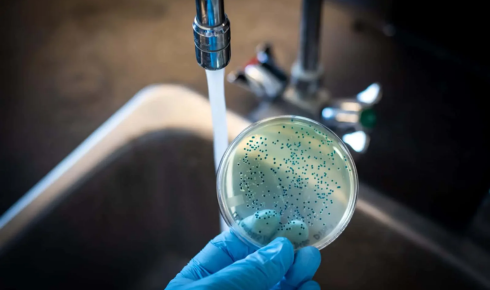
One of the more serious concerns is harmful bacteria. These organisms may enter water through contaminated wells, broken pipes, flooding, poor storage, or failing treatment equipment. The tricky part is that bacteria do not always change the water’s colour, taste, or smell. A glass may look completely fine and still not be something you’d want your family drinking.
This is especially important for private well owners. Unlike municipal water systems, private wells are usually the homeowner’s responsibility. That means regular testing matters. After heavy rain, nearby construction, flooding, repairs, or long periods of non-use, a well should be checked rather than trusted blindly.
Related readingGood Water Quietly Protects the Home You’ve Worked Hard For
Clear Water Doesn’t Always Mean Safe Water
A lot of people judge water by appearance. If it’s clear, it must be clean. That sounds logical, but water doesn’t work that neatly. Some contaminants are invisible. Some have no smell. Some only show up through testing. That’s why relying on eyes and taste alone can create a false sense of security.
Think of it like checking a car by looking at the paint. The outside may shine beautifully, while the engine needs attention. Water is similar. A clear glass tells you something, but it doesn’t tell you everything.
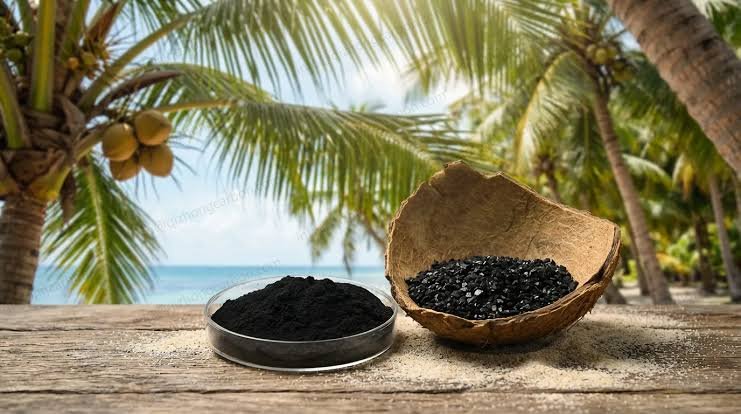
This doesn’t mean homeowners should panic. Most water issues are manageable once they’re understood. But guessing can lead to the wrong solution. A filter pitcher might improve taste but won’t necessarily handle bacteria. A softener can reduce hardness, but it is not designed to remove every contaminant. A carbon filter may help with odours but might not solve a microbial concern. The right answer depends on the actual test results.
Related readingWhy Investing in Better Drinking Water Is One of the Smartest Home Decisions You Can Make
The Role of Testing Before Treatment
Testing is the sensible starting point. Not the most exciting thing in the world, sure, but very useful. A proper water test can identify common concerns like pH, hardness, iron, manganese, total dissolved solids, chlorine, nitrates, lead, copper, and bacteria, depending on what is being checked.
Once the results are clear, choosing the right water treatment system becomes far less confusing. For some homes, that might mean ultraviolet disinfection. For others, it could involve reverse osmosis, carbon filtration, sediment filters, water softening, neutralizers, or a whole-home filtration setup. Sometimes a combination is needed because water rarely has just one issue.
The point is not to buy the biggest or most expensive system. The point is to match the solution to the problem. That’s how homeowners avoid wasting money on equipment that sounds impressive but doesn’t actually fix what’s wrong.
Everyday Signs Worth Noticing
Your home may already be giving small hints. Water that smells like rotten eggs, stains that keep returning, cloudy water, slimy buildup, frequent stomach discomfort after drinking from a certain source, or filters that clog too quickly can all be reasons to investigate. Low pressure, old plumbing, or sudden changes after storms should also get attention.
Related readingCleaner Water Starts With the Right Filtration Approach
Sometimes the problem is simple. A cartridge needs replacing. A filter housing needs cleaning. A water softener is out of salt. Other times, the issue goes deeper and needs professional testing or service.
The mistake is waiting until a small warning turns into a bigger headache. Water damage, appliance wear, stained fixtures, and health concerns are all easier to manage early than later.
Better Water Makes a Home Feel Better
Clean, dependable water is not just a technical upgrade. It changes daily life in quiet ways. Tea tastes better. Ice smells fresher. Showers feel cleaner. Dishes rinse more easily. Parents feel more comfortable filling cups straight from the tap. Even cooking feels a little more relaxed when the water going into the pot is something you trust.
Related readingWhy Better Water Filtration Makes Everyday Life Feel a Little Easier
Good water also supports the home itself. Appliances, pipes, water heaters, and fixtures all benefit when water is properly managed. Over time, that can mean fewer stains, fewer repairs, and less frustration.
A Thoughtful Step Toward Healthier Living
Water is easy to overlook because it is always in the background. But maybe that’s exactly why it deserves attention. It touches nearly every part of home life, from morning coffee to bedtime routines.
The smartest approach is simple: test first, understand the results, and choose a practical solution based on real needs. No scare tactics, no guesswork, no fancy equipment just for the sake of it. Just better information and better care.
When the water in your home is clean, balanced, and properly treated, you don’t have to think about it so much. And honestly, that’s the best kind of water system — one that quietly does its job while life carries on around it.